11.11.2026
Ibero-American Colloquium No. 358: “Ten years of peace through law: Colombia and the renewal of "Núnca Más”
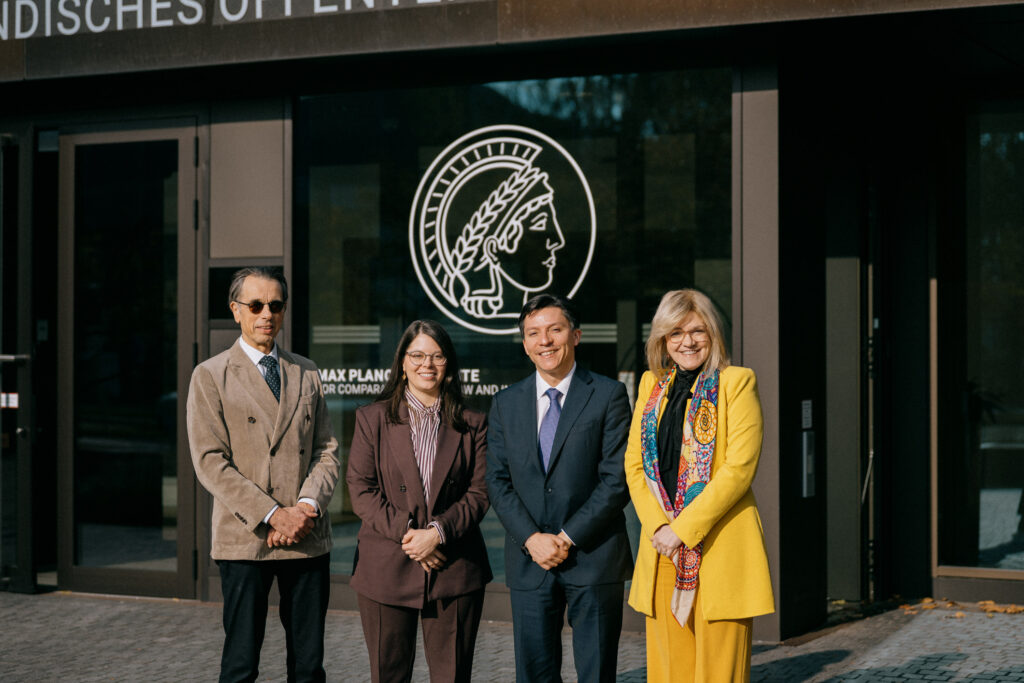
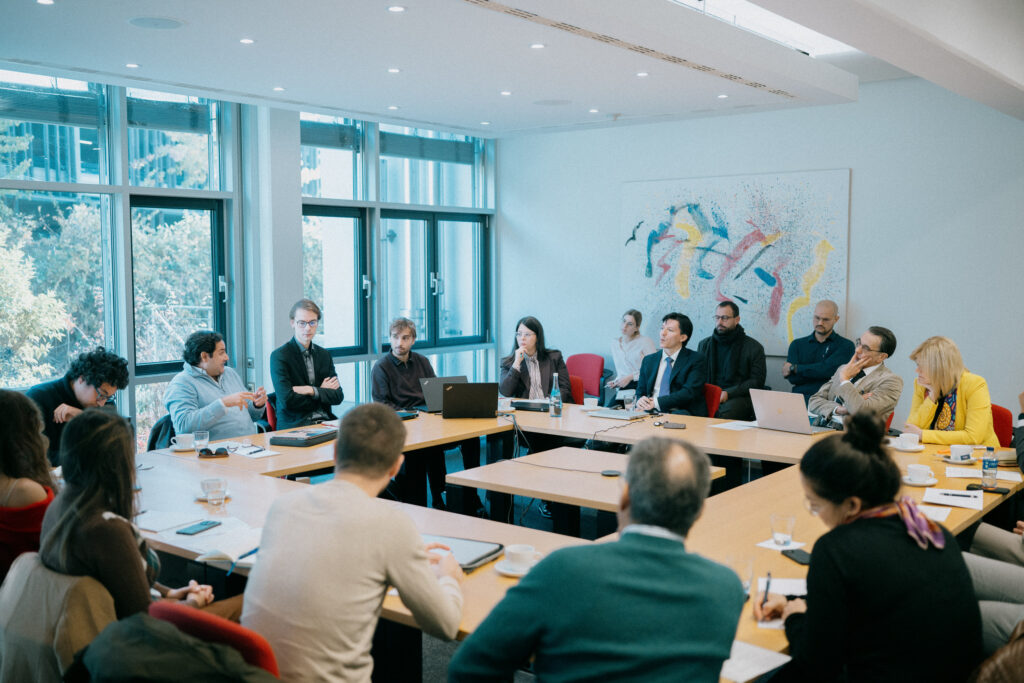
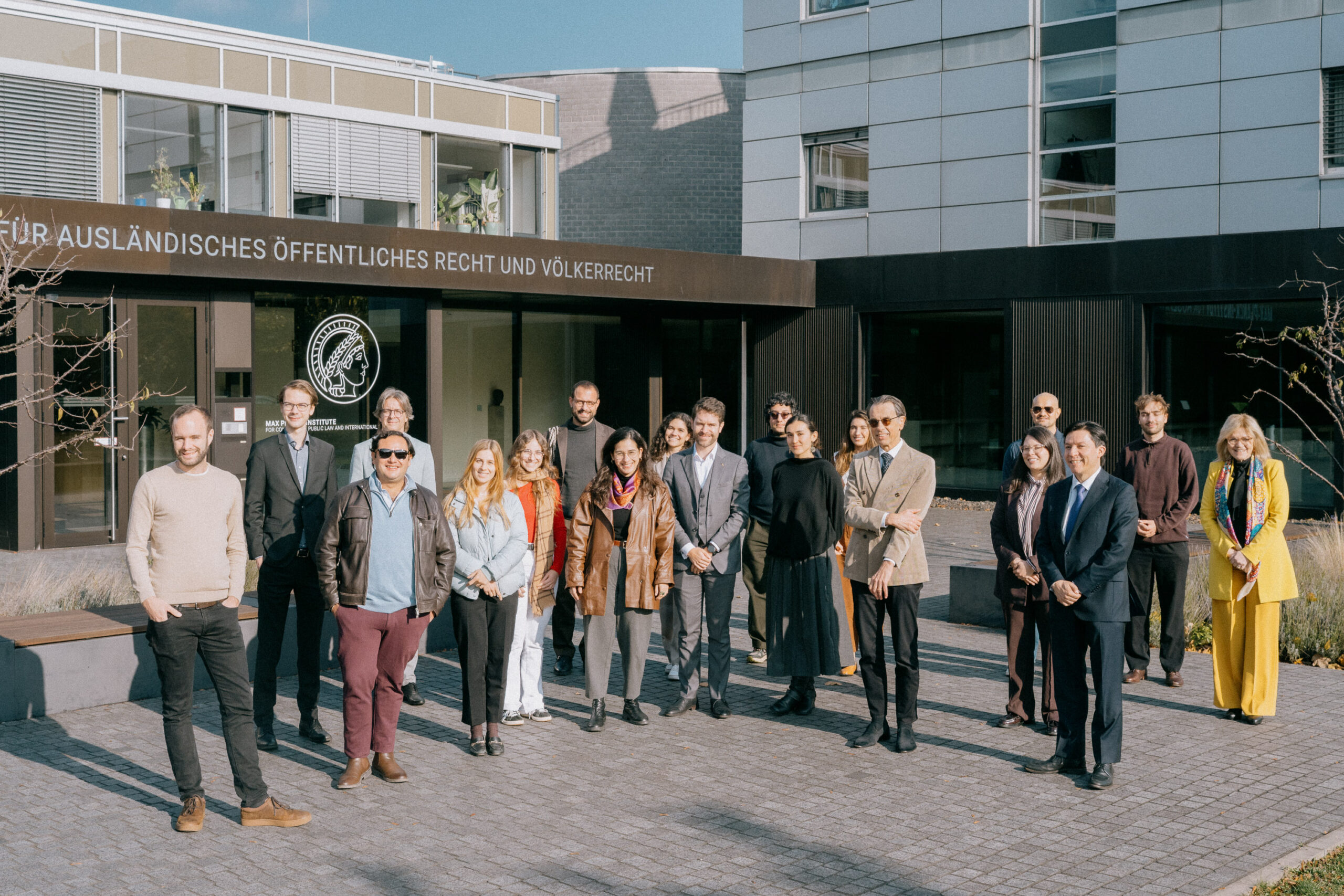
On 6 November 2026, the Max Planck Institute for Comparative Public Law and International Law (MPIL) hosted Ibero-American Colloquium No. 358, devoted to one of the most closely watched transitional justice experiences worldwide: a decade of implementing Colombia’s Final Peace Agreement. From the perspective of Ius Constitutionale Commune in Latin America (ICCAL), the event examined the achievements, tensions and outstanding challenges of the Special Jurisdiction for Peace (JEP).
Rather than confining itself to an institutional review, the colloquium offered a comprehensive reading of the Colombian process: “Núnca Más”; or "Never again" requires not only shedding light on past crimes but also dismantling the structures that enabled violence in a country where the armed conflict has yet to end.
ICCAL framed the discussion around dialogue between courts and normative orders, linking international criminal law, the inter-American system and restorative justice to concrete questions about the legitimacy and sustainability of the transitional model.
Armin von Bogdandy, Mariela Morales Antoniazzi and Carolina Bejarano Martínez opened the day. The keynote lecture was delivered by Óscar Parra Vera, judge at the JEP, who took stock of the Jurisdiction’s achievements and challenges. The three panels featured Nicolás Zuluaga Afanador (Constitutional Court of Colombia), Daniel Quiroga-Villamarín (University of Vienna), René Urueña (University of Helsinki), Leon Seidl (MPIL), Sofía Cabarcas Maciá (Sciences Po) and Violeta Brock Rodríguez (JEP).
The sessions addressed the selection and prioritisation of macro-cases, the prohibition of amnesties for grave human rights violations under inter-American case law, the JEP’s social legitimacy and complementarity with the International Criminal Court. Participants also explored the socio-economic roots of the conflict and economic, social and cultural rights, social mobilisation for peace, the repeated participation of victims in successive transitional processes and the recognition of territory as a victim. Across the presentations, speakers discussed distinctive legal approaches of the Colombian model that carry global relevance for other transitions and for the interplay between national and international justice systems.
The concluding session framed the renewal of “Núnca Más” as an open agenda and presented Colombia as a beacon of Latin American constitutionalism. Speakers emphasised that the peace process has broadened the range of actors who both listen to and speak the language of law. Through these dialogues, this commitment is renewed day by day.