This project examines judicial independence as an essential element of democratic resilience, adopting a multilevel comparative approach that combines intraregional analysis between national systems and their corresponding international frameworks, and transregional comparison between Latin America and Europe. It investigates instruments, contexts, and adaptive measures that strengthen judicial independence in times of crisis, addressing both procedural dimensions (constitutional and legislative reforms, participatory mechanisms, agenda-setting, enforcement of international judgments) and substantive dimensions (resilience of rights, freedoms, and equalities). By integrating legal, sociological, and historical perspectives, the research identifies convergences and divergences across legal cultures and highlights how norms operate within specific cultural contexts. The goal is to understand how different democracies confront threats to judicial independence and which strategies prove most effective for its reinforcement.
Project members
Focus
Judicial independence
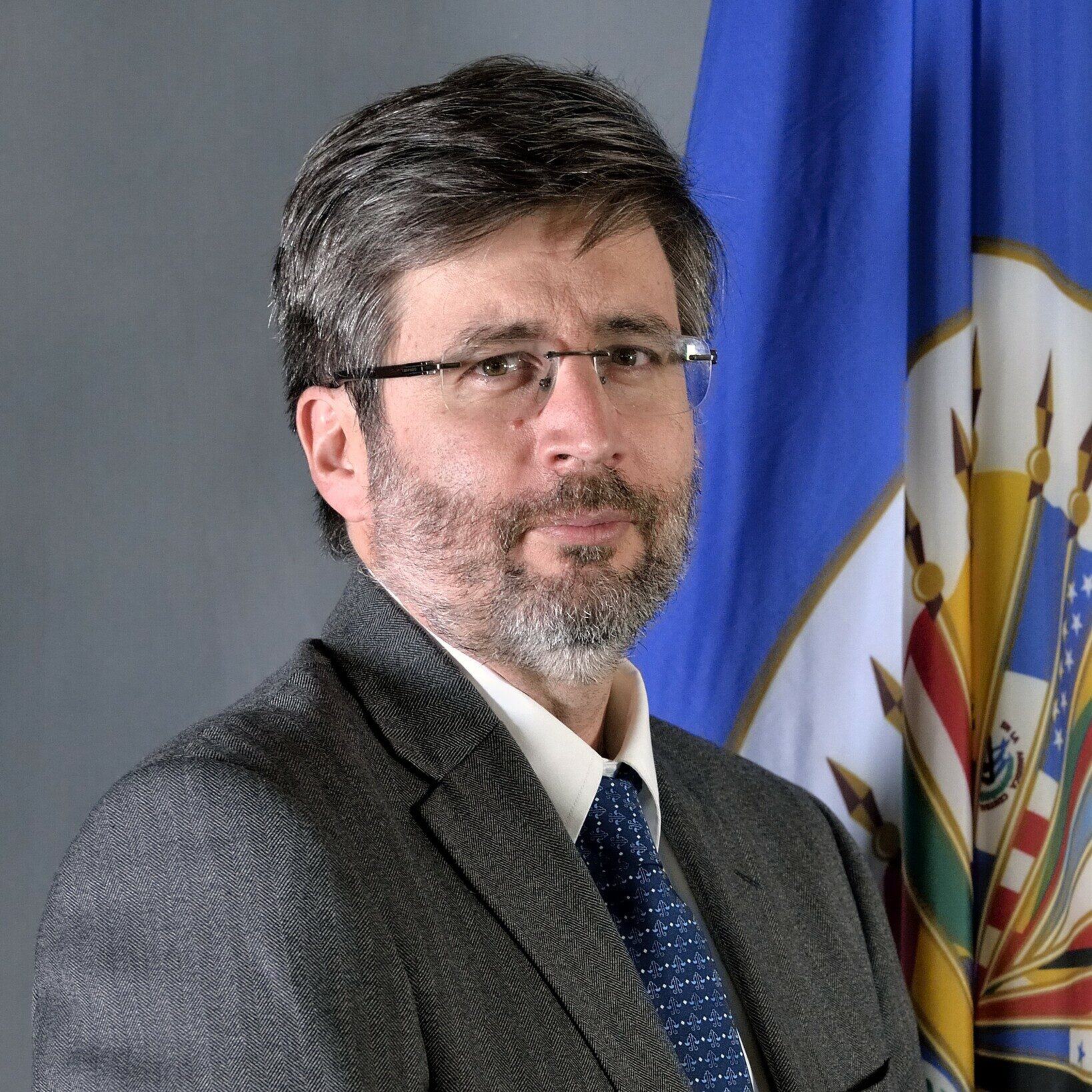
Pablo Saavedra
Pablo Saavedra has served as Secretary of the Inter-American Court of Human Rights since 2004. He studied law at Universidad Diego Portales in Chile and obtained a Master’s degree in International Human Rights Law from the University of Notre Dame (USA). He has been invited as professor or lecturer at universities and institutions across the Americas and Europe and has published extensively on human rights. He is a member of the Editorial Board of the Netherlands Quarterly of Human Rights.
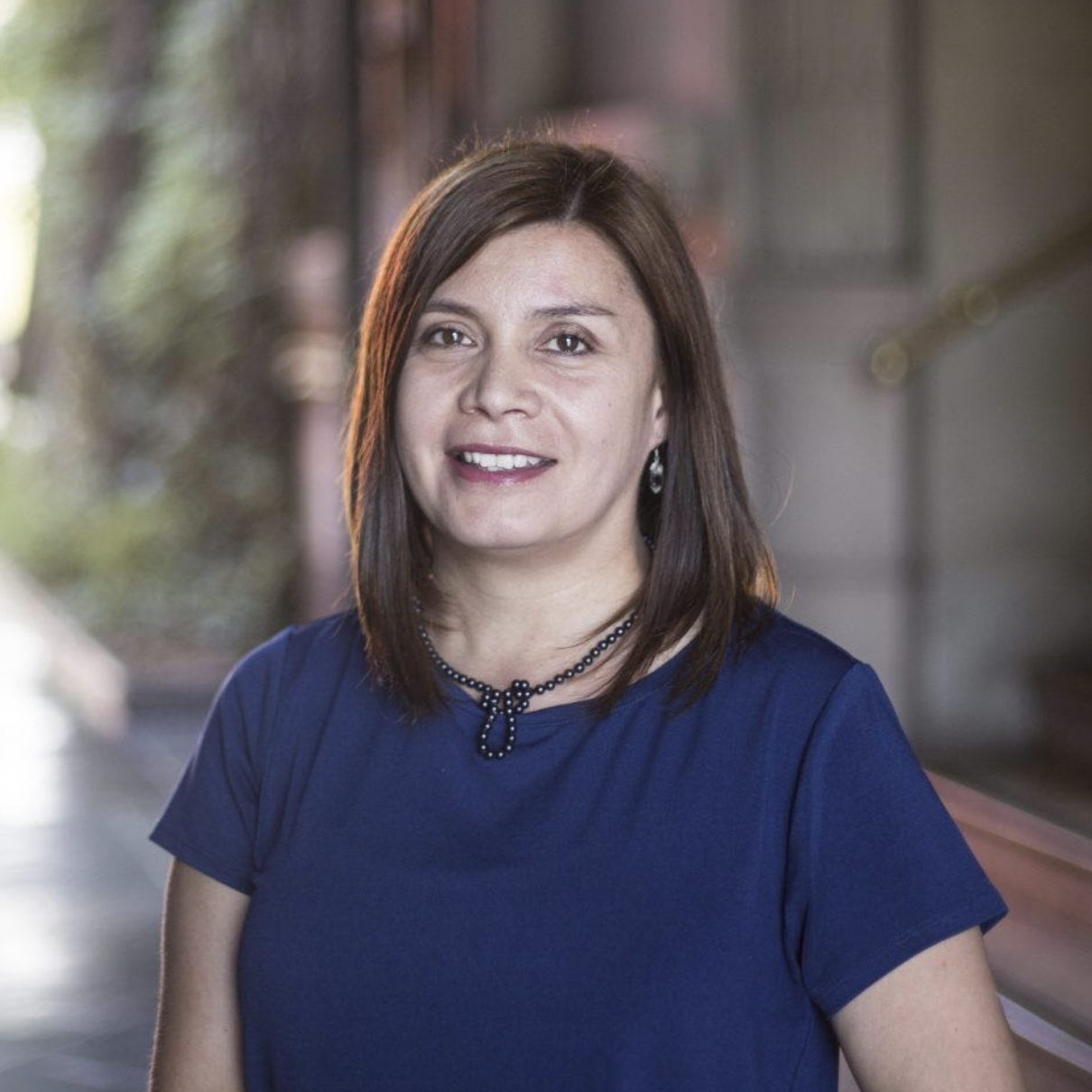
Miriam Henríquez
Miriam Henríquez is Full Professor of Constitutional Law and Dean of the Faculty of Law at Universidad Alberto Hurtado (Chile). She holds a PhD in Legal Sciences from the University of Santiago de Compostela. She teaches undergraduate and graduate courses in Chile and abroad, and publishes widely on constitutional law, constitutional justice, and human rights. She is a member of the UAH Constitutional Research Group and has been principal investigator on three Fondecyt projects funded by ANID, Chile, over the past decade. She is also Co-President of the Chilean Chapter of ICON·S.
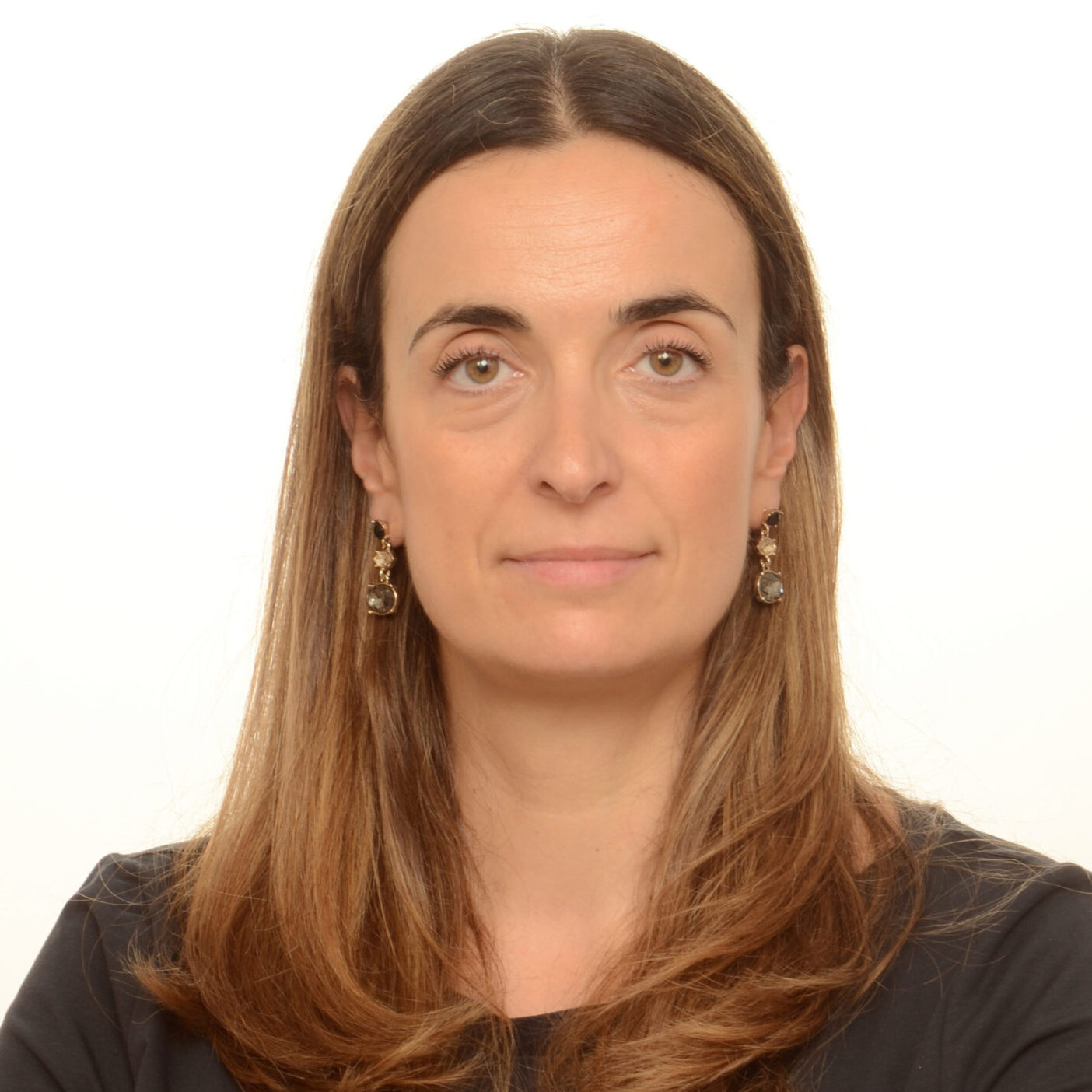
Sabrina Ragone
Sabrina Ragone is Full Professor of Comparative Law at the University of Bologna and Fernand Braudel Fellow at the European University Institute in Florence. After completing her PhD, she held research positions at the UAB in Barcelona, the CEPC in Madrid, and the MPIL in Heidelberg, and has been a visiting professor in the United States (Michigan, Boston College, Harvard), Latin America, France, Germany, and Spain. Her research covers comparative methodology, constitutional change, constitutional justice, human rights, and European and Latin American constitutionalism.

Amaya Ubeda
Amaya Ubeda de Torres is a Senior Legal Officer at the Council of Europe, as well as an Adjunct Professor at IE University in Madrid. After completing her PhD in International Human Rights Law at the Complutense University of Madrid and the University of Strasbourg, she worked as a researcher at the CEPC in Madrid and has been a visiting professor at universities in Belgium (Brussels), France (Paris and Strasbourg), Italy (Cagliari and Rome), and Spain. Her work focuses on human rights, the case law of international courts, the European and Inter-American systems, as well as democracy and the rule of law.
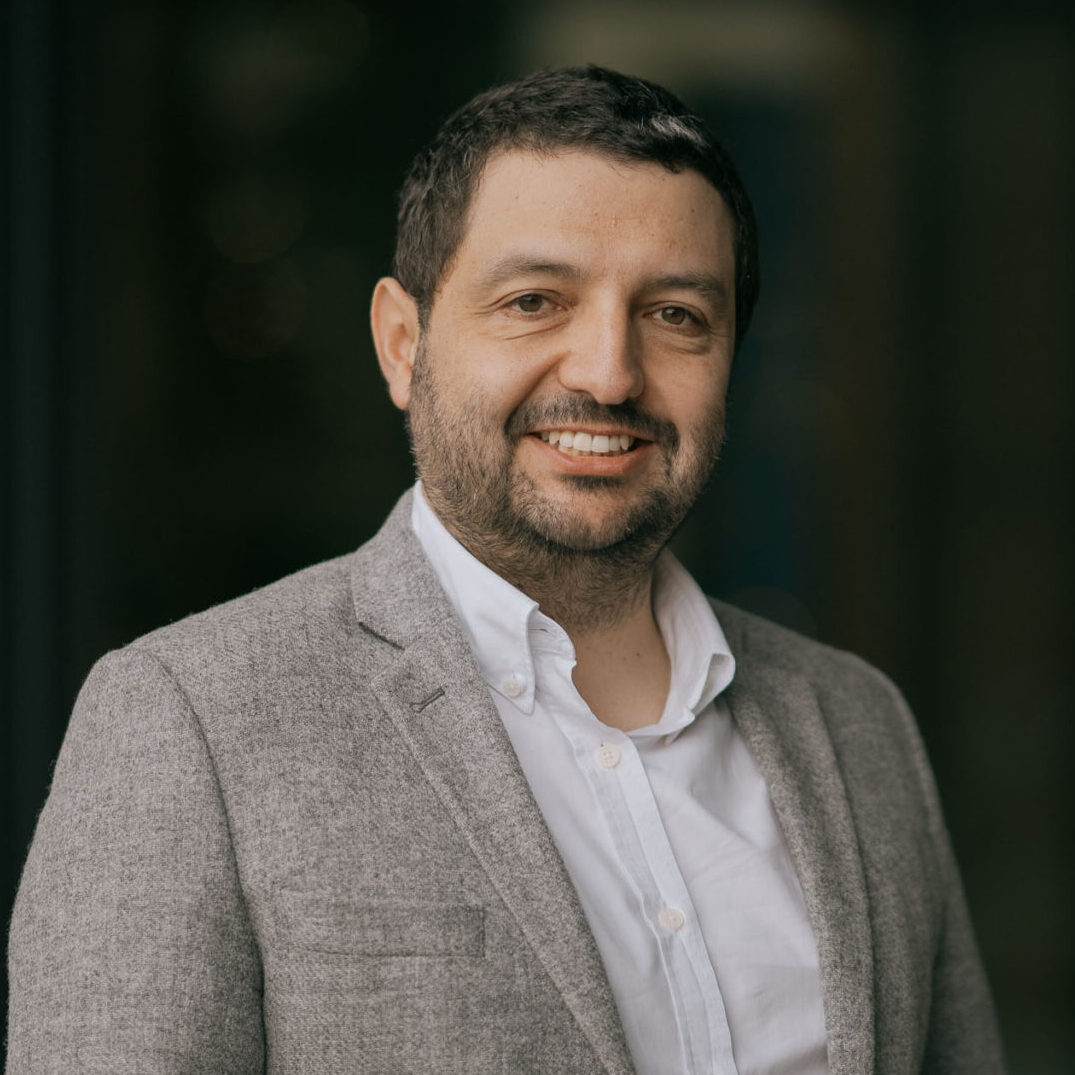
Joaquín Garzón
Joaquín Garzón holds a PhD from Universidad de los Andes and is Director of the Department of Philosophy and History of Law at the Faculty of Legal Sciences, Universidad Javeriana (Bogotá). He is a lawyer with the Legal Clinic on Law and Territory and recently participated as a negotiator in the Socio-Legal Peace Roundtable of Buenaventura. He has also been part of the Tandem Team at the Max Planck Institute for Comparative Public Law and International Law (Heidelberg, Germany).
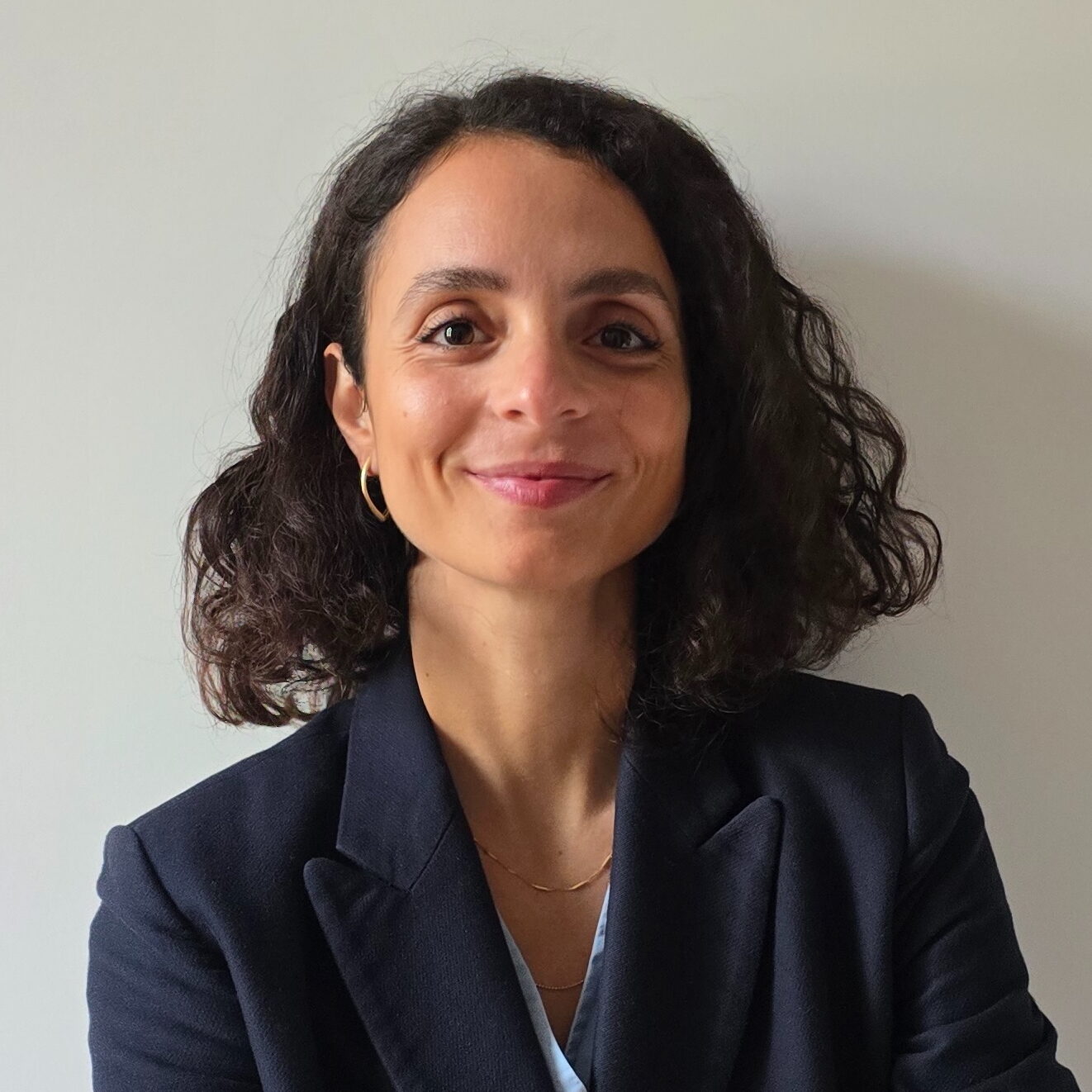
Roberta Lugarà
Roberta Lugarà is a lawyer at the European Court of Human Rights. She holds a PhD in Constitutional Justice and Fundamental Rights from the University of Pisa and has practiced law in constitutional and administrative matters. Her work focuses on human rights and the rule of law, particularly in relation to the European Convention on Human Rights and European Union law.
Introductory readings
- Bobek, M., Bodnar, A., von Bogdandy, A., & Sonnevend, P. (Eds.). (2023). Transition 2.0: Re-establishing Constitutional Democracy in EU Member States (Beiträge zum ausländischen öffentlichen Recht und Völkerrecht, 320). Baden-Baden: Nomos Verlagsgesellschaft.
- Bustos Gisbert, R. (2022). Independencia judicial e integración europea. Tirant lo Blanch.
- European Commission. (2025). Rule of Law Report 2025.
Get to know our ICCAL projects
Discover the projects that bring ICCAL to life through research, collaboration, and local initiatives.