10.11.2025
Ibero-American Colloquium No. 334: Colombia, block of constitutionality and control of conventionality, the right to protest in La Guajira
Ana María Charry and Javier Tous examined legal and social debates related to the application of international human rights standards and the exercise of social protest in Colombia.
November 10, 2025, MPIL Heidelberg
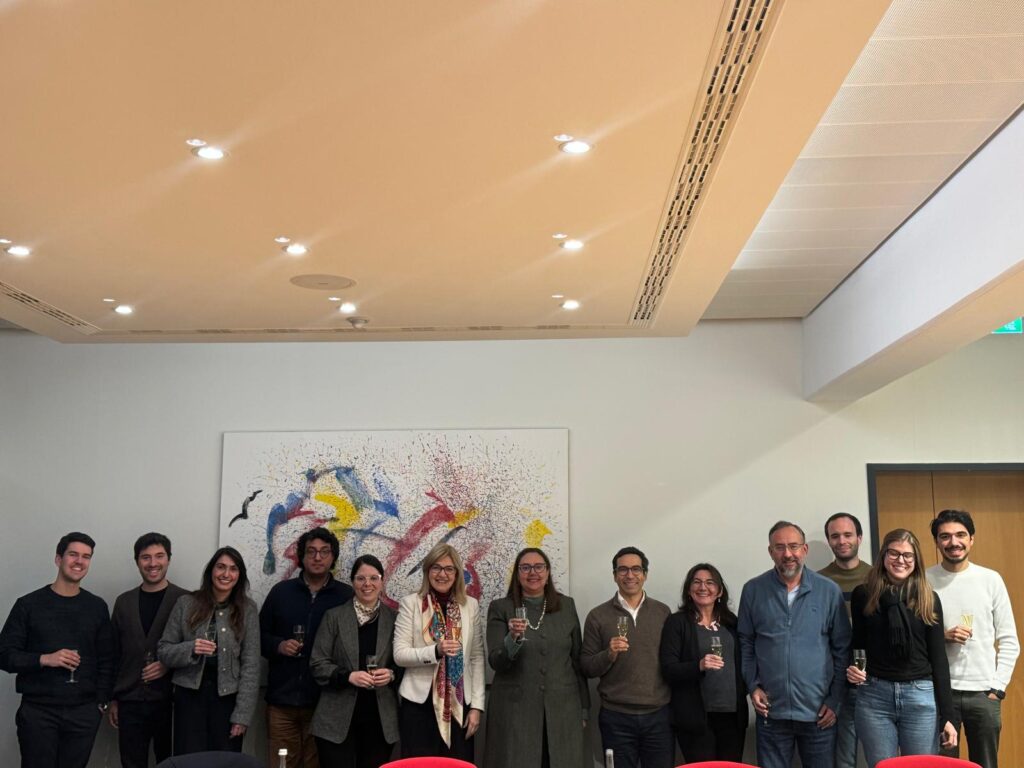
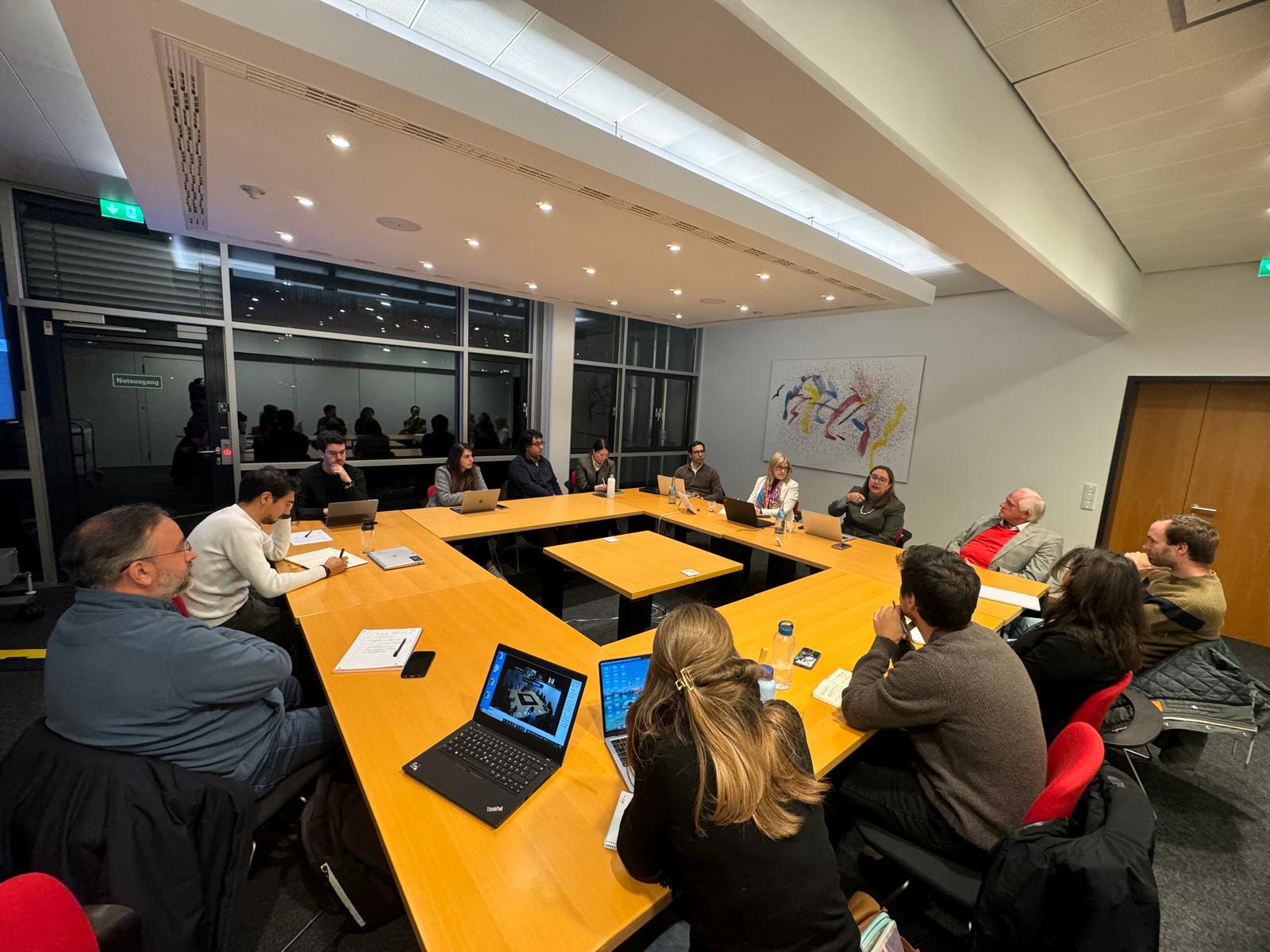
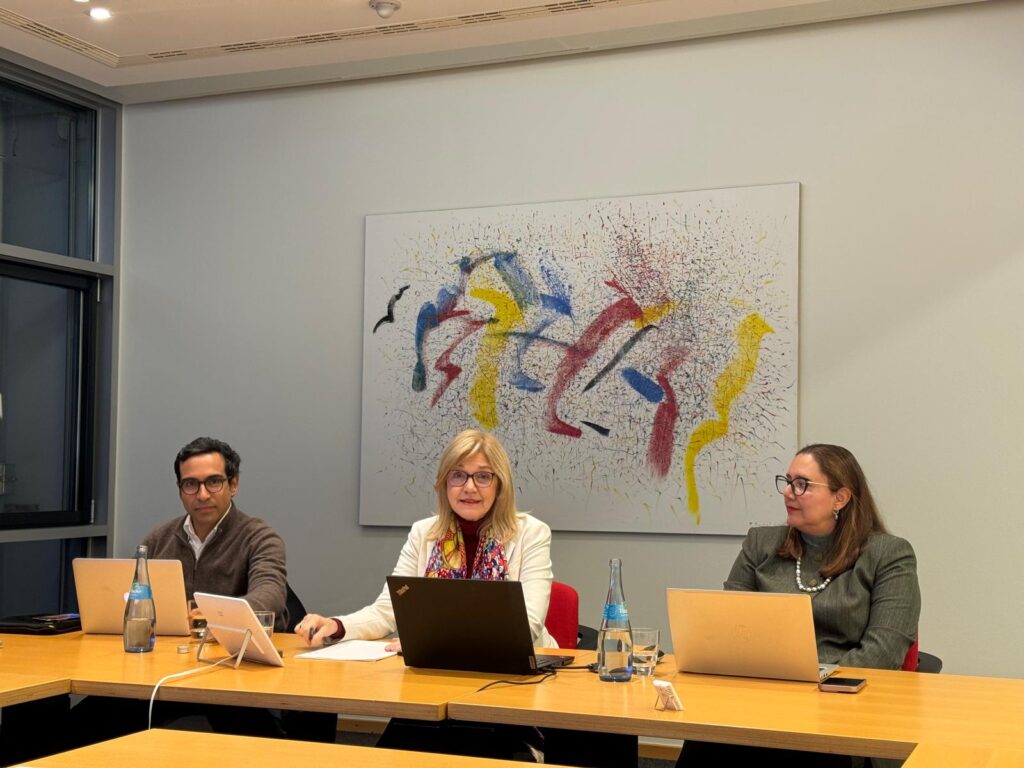
The Max Planck Institute for Comparative Public Law and International Law held a new session of its Ibero-American Colloquia series focused on Colombia. The event brought together two presentations that combined legal analysis with the study of social issues on the ground.
Block of constitutionality and control of conventionality
The first presentation was delivered by Ana María Charry. She focused on the concept of the block of constitutionality and the scope of control of conventionality in the Colombian legal system. Her talk examined the relationship between domestic constitutional law and the Inter-American human rights system.
During the discussion, participants addressed possible tensions between national norms and international decisions. They also reflected on the implementation of judgments issued by the Inter-American Court of Human Rights. In addition, the debate considered the use of different legal terms to describe the application of Inter-American standards in Colombian constitutional jurisprudence.
The right to protest in La Guajira
The second presentation was given by Javier Tous and focused on the right to protest in the department of La Guajira. Special attention was paid to road blockades as a form of collective action. Based on fieldwork, the presentation described the social and territorial context of the region.
The situation of indigenous communities, particularly the Wayuu people, as well as Afro-descendant and Afro-Wayuu populations, was discussed. Several factors associated with the blockades were identified. These included difficulties in access to education, problems in the provision of basic services such as water and electricity, internal community conflicts, and disputes linked to economic projects and consultation processes.
Discussion and concluding remarks
During the exchange, data on the frequency of blockades in La Guajira were presented. It was emphasized that, from the perspective of the communities, these actions aim to draw the attention of authorities when institutional responses are seen as insufficient. The discussion also addressed the role of the State in relation to protest, including the involvement of the police and the impact of judicial decisions in the territory.
The colloquium concluded with a reflection on the role of academia in contexts of human rights challenges. Participants highlighted the importance of translating local experiences into legal language and of using international standards as analytical tools in settings marked by social and territorial inequalities.