14.10.2025
Ibero-American Colloquium No. 332: Judicial Reform in Mexico
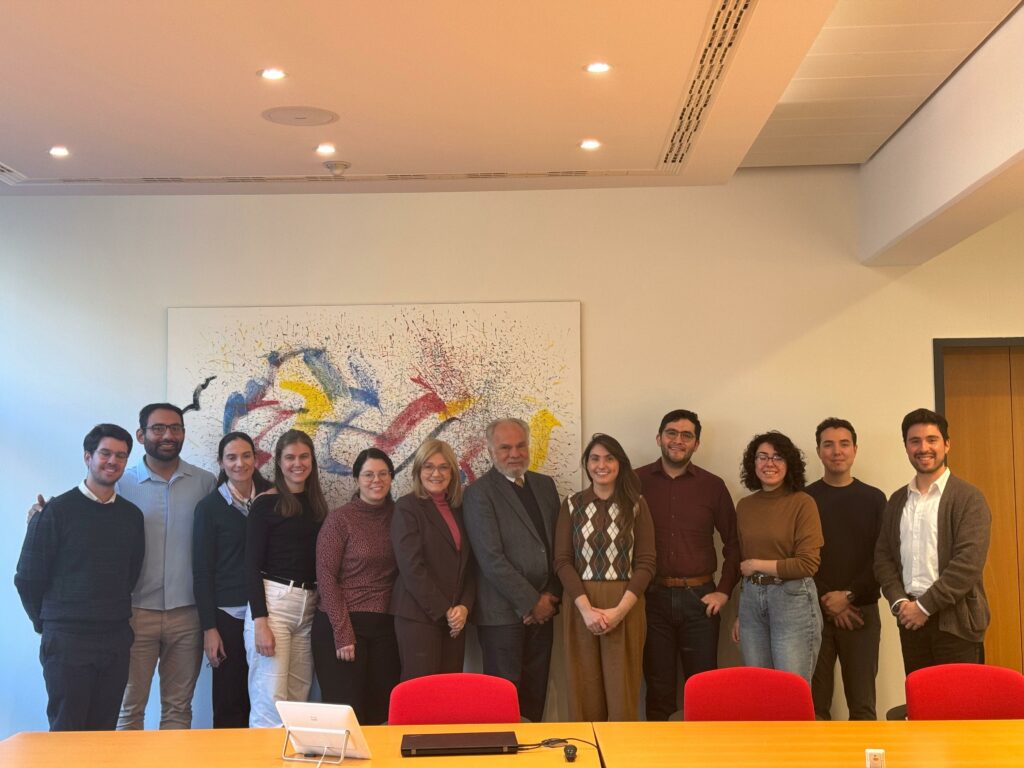
In Heidelberg, legal scholar José de Jesús Orozco analyzed the scope, risks, and consequences of judicial reform in Mexico.
14 October 2025, MPIL Heidelberg
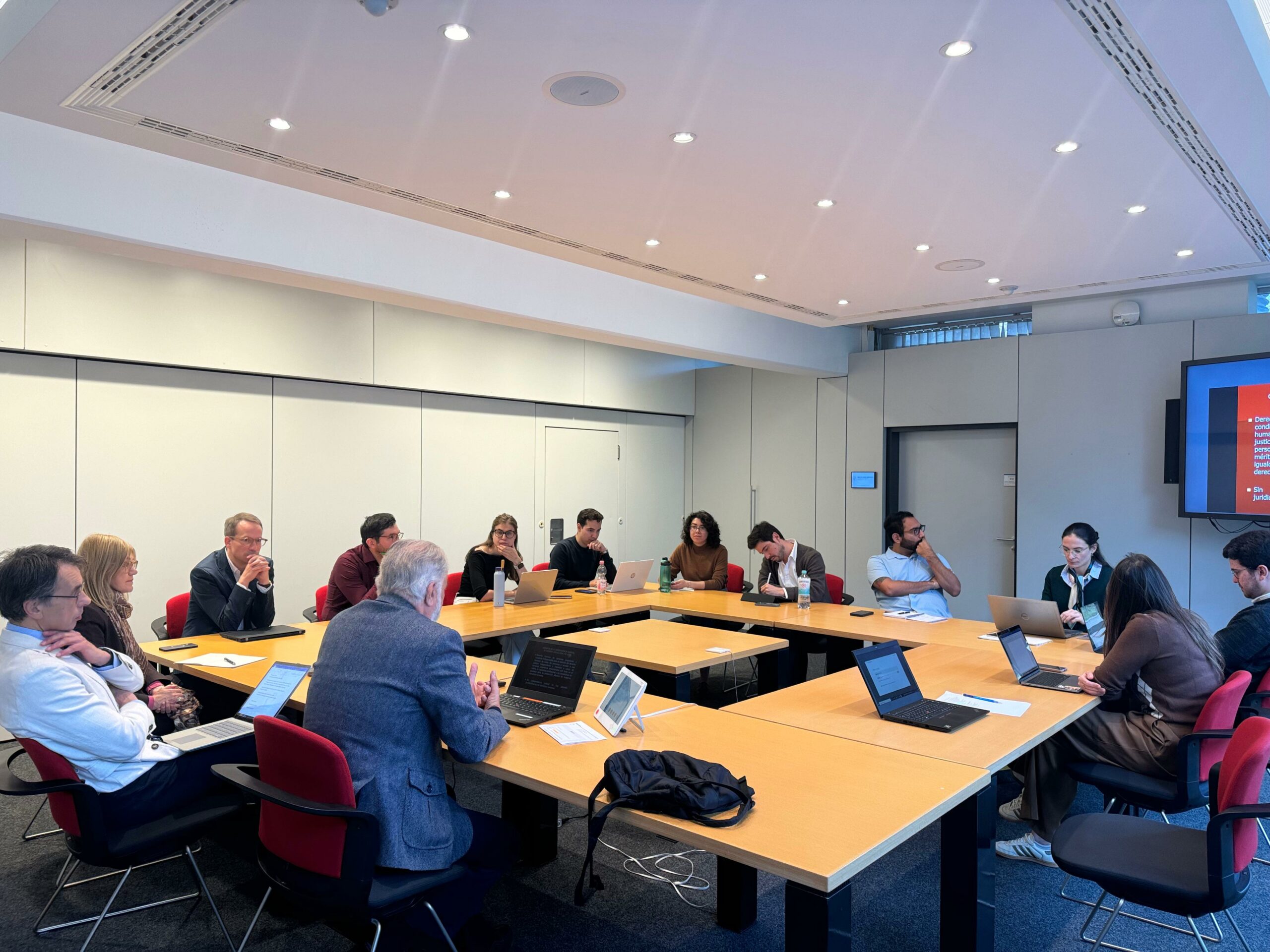
The Max Planck Institute for Comparative Public Law and International Law hosted Ibero-American Colloquium No. 332 on the topic “Judicial Reform in Mexico”. The lecture was delivered by Prof. Dr. José de Jesús Orozco, a Mexican jurist and professor specialized in constitutional law, human rights and electoral law. Orozco is a Doctor of Law from the National Autonomous University of Mexico (UNAM), holds an LL.M. in Comparative Law from the University of California, Los Angeles, is former commissioner and president of the Inter-American Commission on Human Rights, and previously served as electoral judge at the Electoral Tribunal of the Federal Judiciary of Mexico.
Orozco presented an overview of the recent constitutional reform of the judiciary in Mexico and its implementation. He highlighted that Mexico has become the only country in the world where the entire judiciary, at the federal and state level, will be chosen through popular elections. The reform entails the arbitrary removal of all sitting judges and magistrates and replaces the former judicial career system based on competitive examinations. Elections will be held in two stages, in 2025 and 2027, which in his view amounts to a purge of the judiciary rather than a democratic deepening.
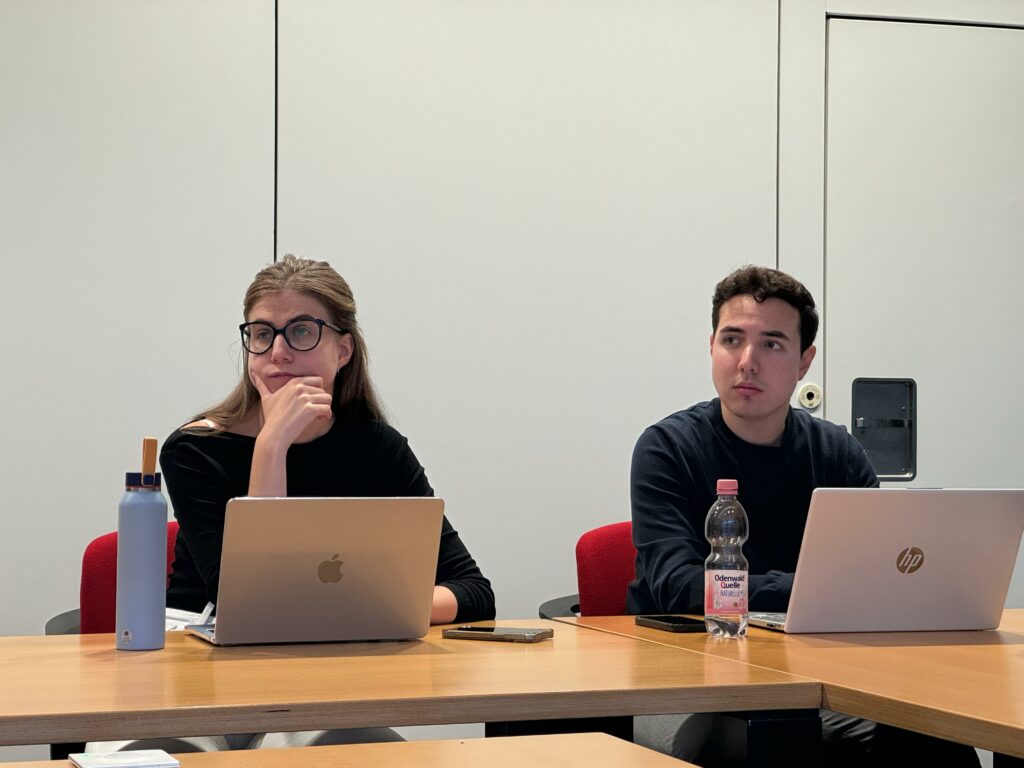
The speaker situated the reform in its political context. He underlined the absence of academic consensus and technical justification, the tensions between the government and the Supreme Court following rulings that declared key government measures unconstitutional, and the role of an artificially inflated legislative majority, made possible by an electoral decision that allowed an overrepresentation of 19 percentage points in Congress, far beyond the constitutional limit of 8. According to Orozco, the reform was rushed through with minimal deliberation and exposed serious weaknesses in Mexico’s mechanisms of constitutional review, since constitutional challenges failed by a single vote and other judicial remedies were delayed or neutralized.
Orozco then addressed irregularities in the first electoral process for judicial positions. More than half of the federal judiciary chose not to participate, either resigning or taking early retirement. Turnout among voters was around 13 percent, with almost 3 percent of ballots annulled. The campaign took place in an environment of sustained attacks on the judiciary from the executive, heavy use of “voting guides” known as acordeones that effectively predetermined outcomes, intervention by the Senate in candidate selection and a reduced budget for the electoral authority which limited the number of polling stations. He noted that the Electoral Tribunal applied an unusually strict standard of proof to complaints about coordinated use of these voting guides, ignoring statistical evidence that all candidates included in a given guide won and all excluded candidates lost.
From a human rights perspective, Orozco identified multiple violations. Judges removed in 2025, and those who will be affected in 2027, see their individual and institutional independence undermined through mass dismissal without just cause and the loss of their right to remain in office until the end of their appointments. Aspiring candidates who were not nominated or elected faced unequal conditions, while future litigants lose the guarantee of being judged by an independent and impartial tribunal. He warned of the risk of capture of the new judiciary by political parties, economic interests and organized crime, pointing to cases of candidates who did not meet legal requirements and reports of links to religious groups and criminal networks.
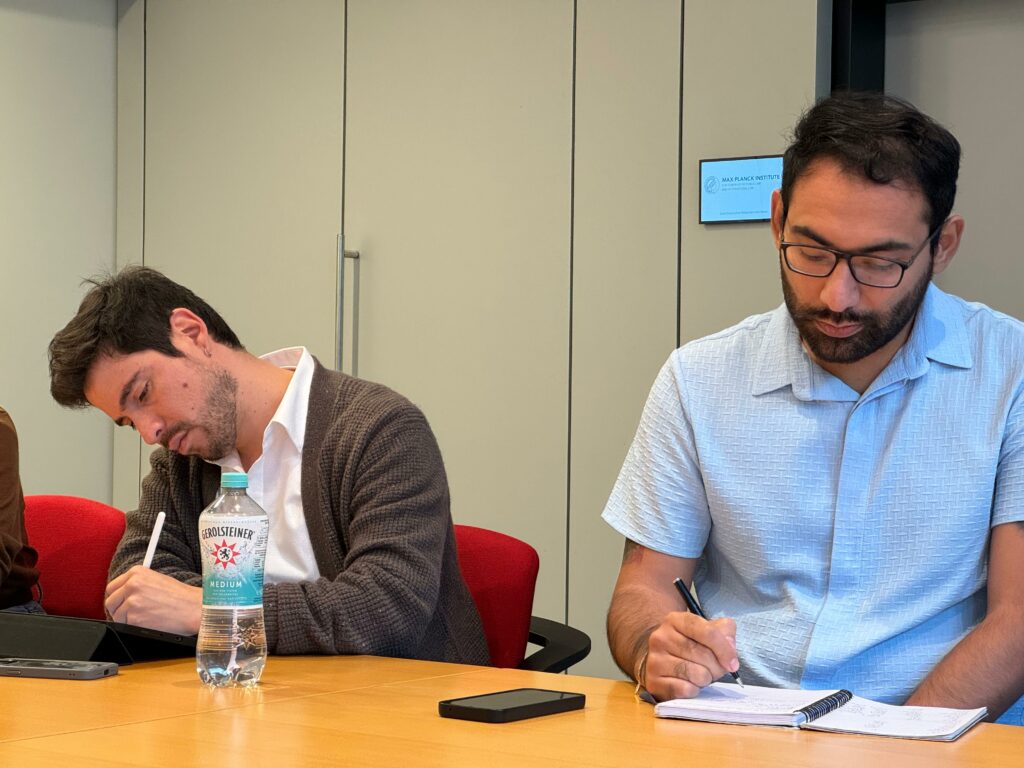
In terms of consequences for the rule of law, Orozco argued that the reform suppresses the separation of powers, since the governing party now controls the executive, a legislature with an artificially created supermajority and a judiciary aligned through the new electoral mechanism. This leads to degradation of politics, erosion of access to justice and a serious authoritarian regression that resembles the era of the former hegemonic party, although now with more sophisticated instruments. International indices already classify Mexico as a defective democracy or hybrid regime, a situation that he believes is likely to worsen.
The colloquium also explored the role of the Inter-American system and other international actors. Orozco referred to the preliminary findings of the Organization of American States’ electoral observation mission, which explicitly advised against replicating the Mexican model of judicial elections in other countries. He mentioned pending petitions before the Inter-American Commission on Human Rights and stressed the importance of future decisions by the Commission and the Inter-American Court. He also noted that Mexico has not requested technical cooperation from the Commission, in contrast to Bolivia, which used this tool during its own judicial reform.
In the discussion, participants linked the Mexican case to broader regional trends of authoritarian backsliding, attacks on judicial independence and the interplay between electoral integrity and the rule of law. Concepts such as judicial populism, institutional illiteracy and democratic resilience were debated, as well as the responsibilities of academia and civil society in documenting and resisting regressive reforms. The session closed with a shared concern about the potential export of the Mexican model to other countries in the region and a call for sustained academic and international monitoring of the 2027 elections and the overall implementation of the reform.