13.12.2025
Day 2 of the XX ICCAL International Seminar: regional dialogues and comparative perspectives in action
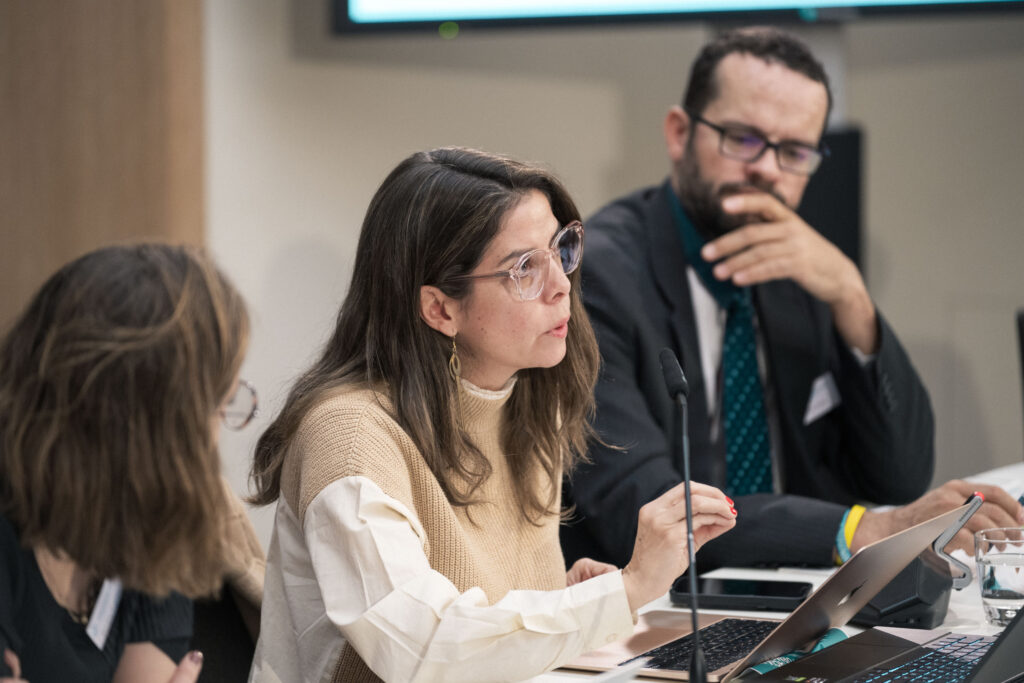
Ana María Charry and Javier Tous examined the legal and social debates surrounding the application of international human rights standards and the exercise of social protest in Colombia.
13 December 2025, MPIL Heidelberg
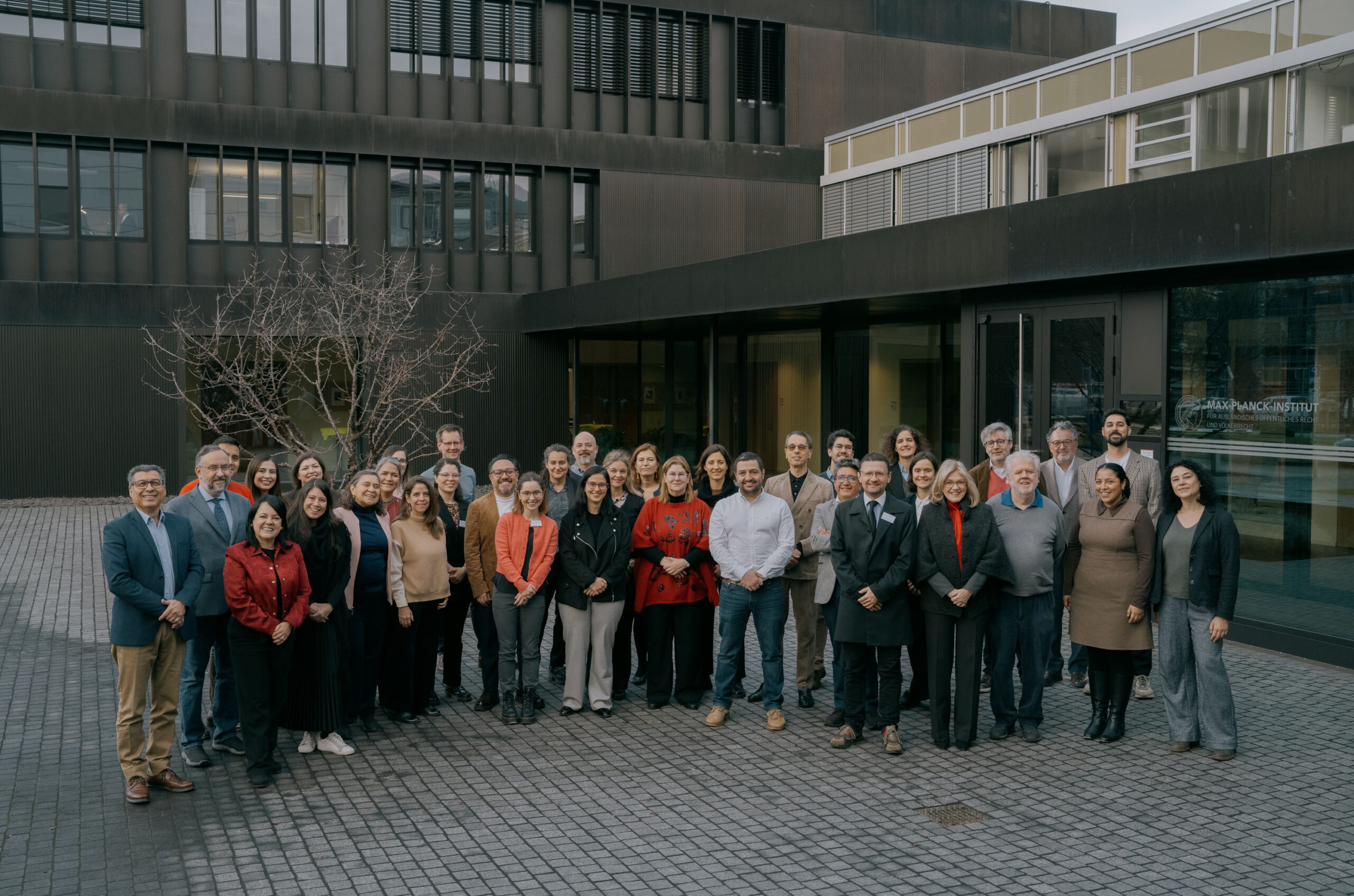
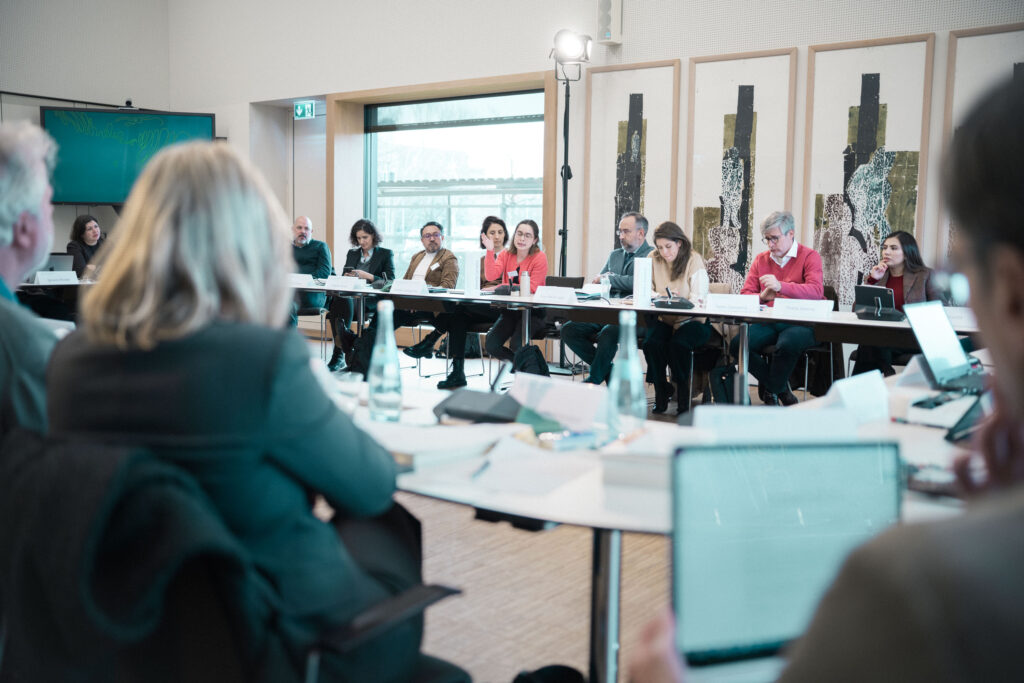
The second day of the XX International Seminar “Democracy in Transformation: Tools for Resilience” unfolded in an atmosphere of continuous exchange between national experiences and comparative perspectives. Discussions were structured around four dialogue spaces that made it possible to explore current democratic challenges from different angles of constitutional law and international human rights law.
Democracy in transformation and resilience practices
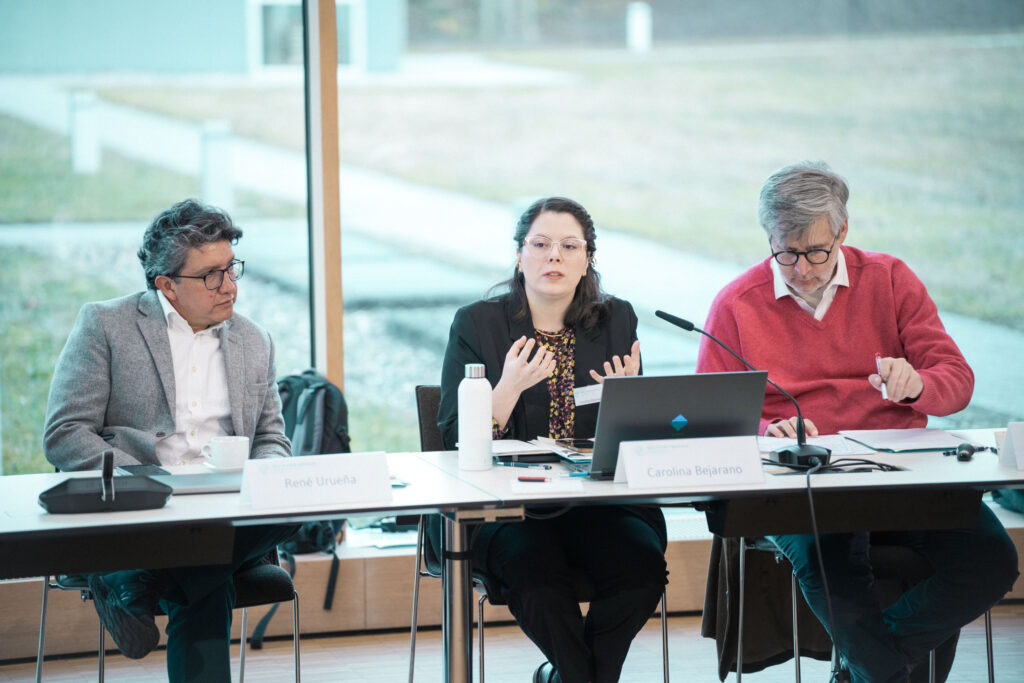
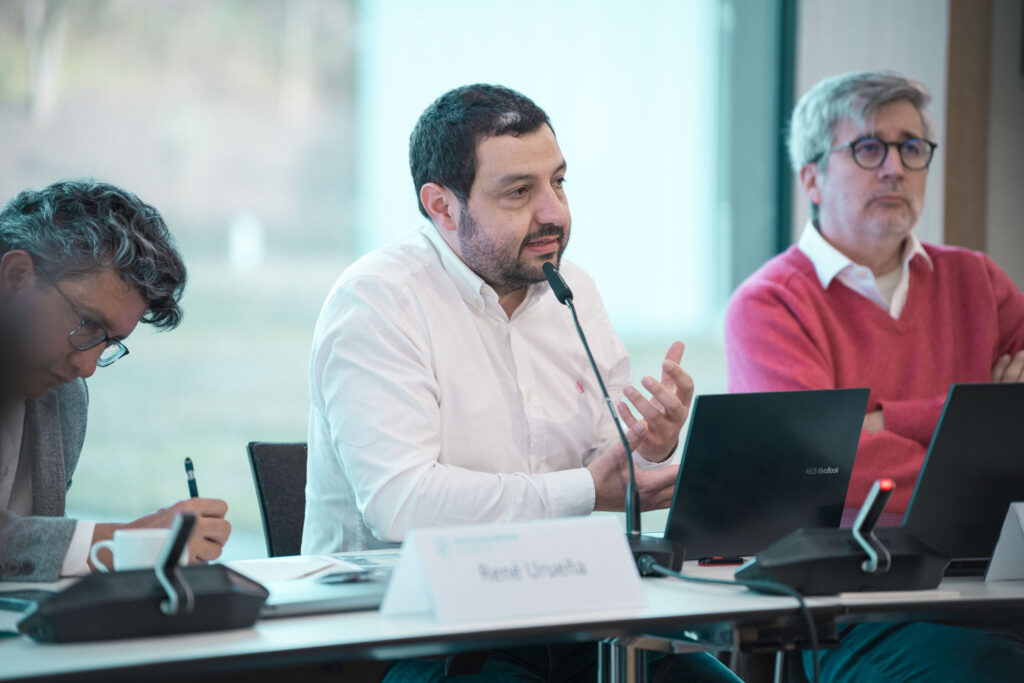
The day began with a session devoted to democracy in transformation from the perspective of the ICCAL Lab and to practices of resilience. Contributions by Carolina Bejarano Martínez, René U., Thalia Viveros Uehara, Joaquín Garzón, and Pablo Saavedra offered a renewed reading of the role of research, institutional articulation, and networked work. In this context, their relevance for strengthening democratic frameworks in times of change was emphasized.
Business and human rights in the region
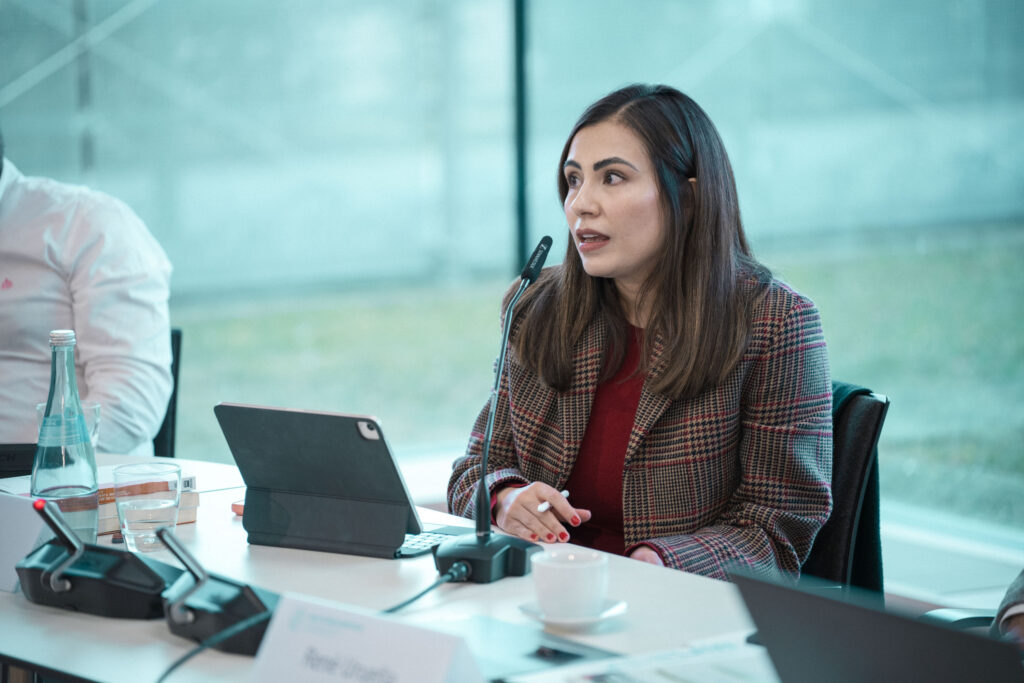
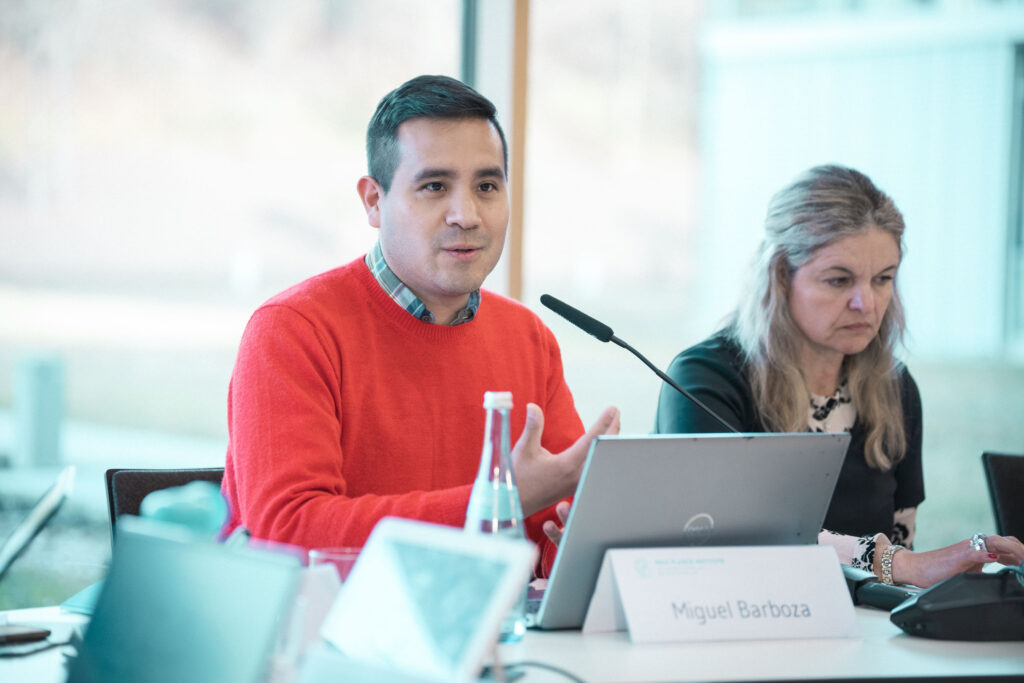
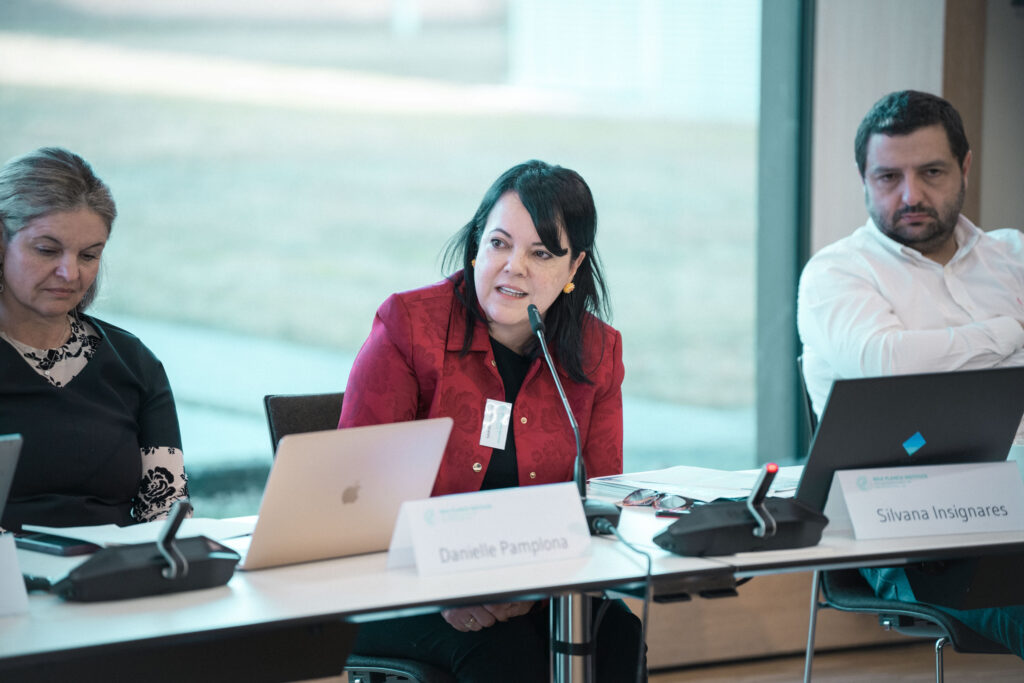
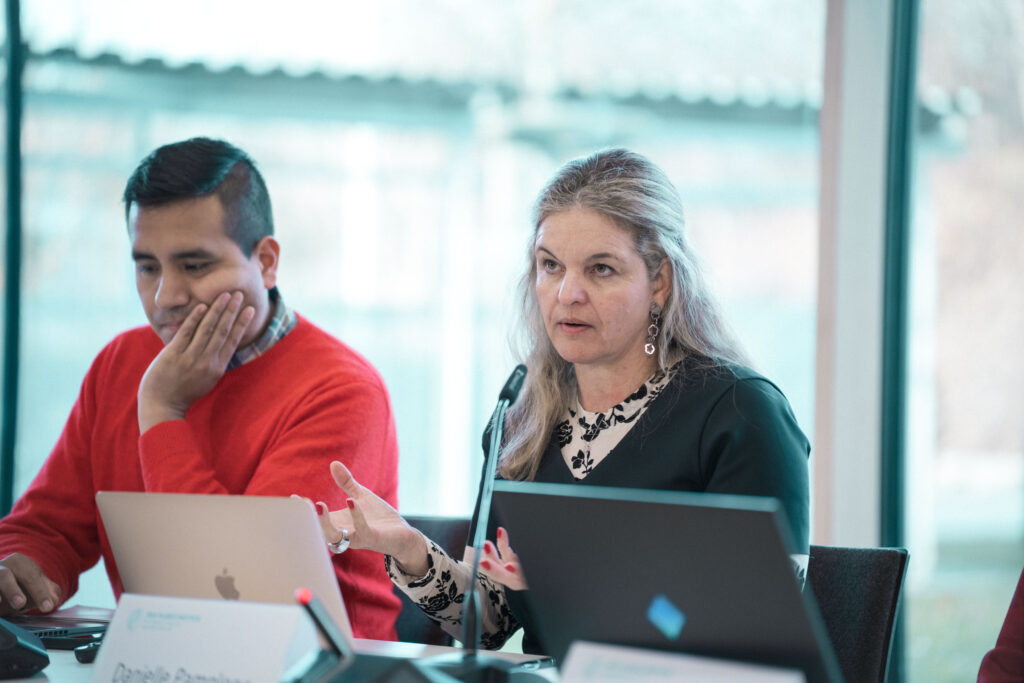
The discussion then turned to regional challenges in the field of business and human rights. Danielle Anne Pamplona and Miguel Ángel Barboza López, with moderation by Silvana Insignares Cera, addressed issues related to corporate responsibility, international standards, and oversight mechanisms. The exchange highlighted existing tensions as well as opportunities to advance the protection of human rights in the business sphere.
National perspectives on transformative constitutionalism
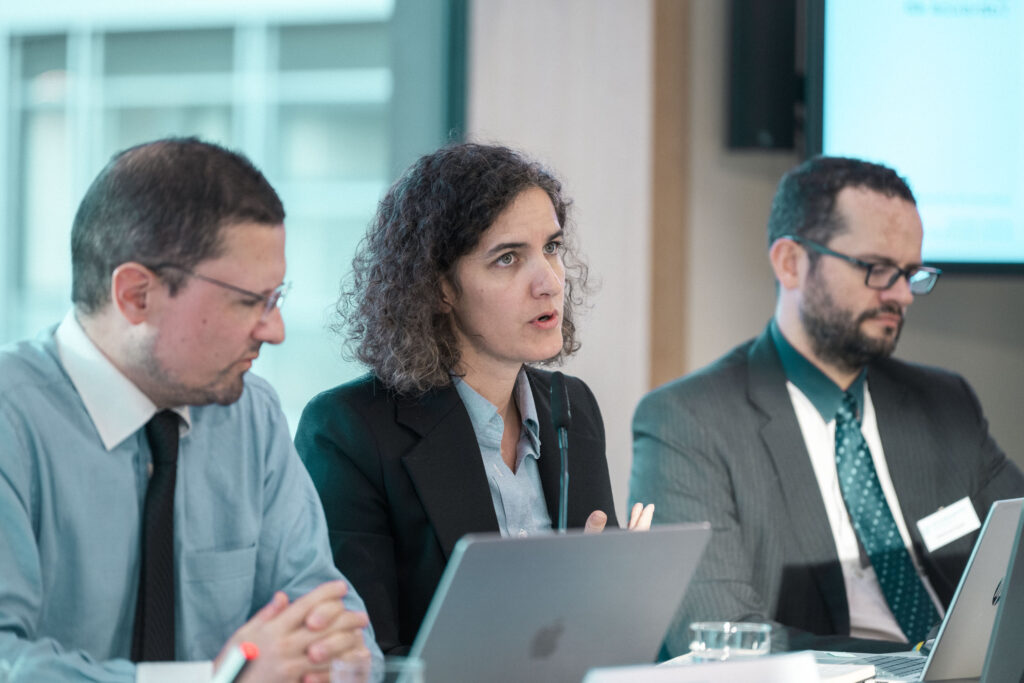
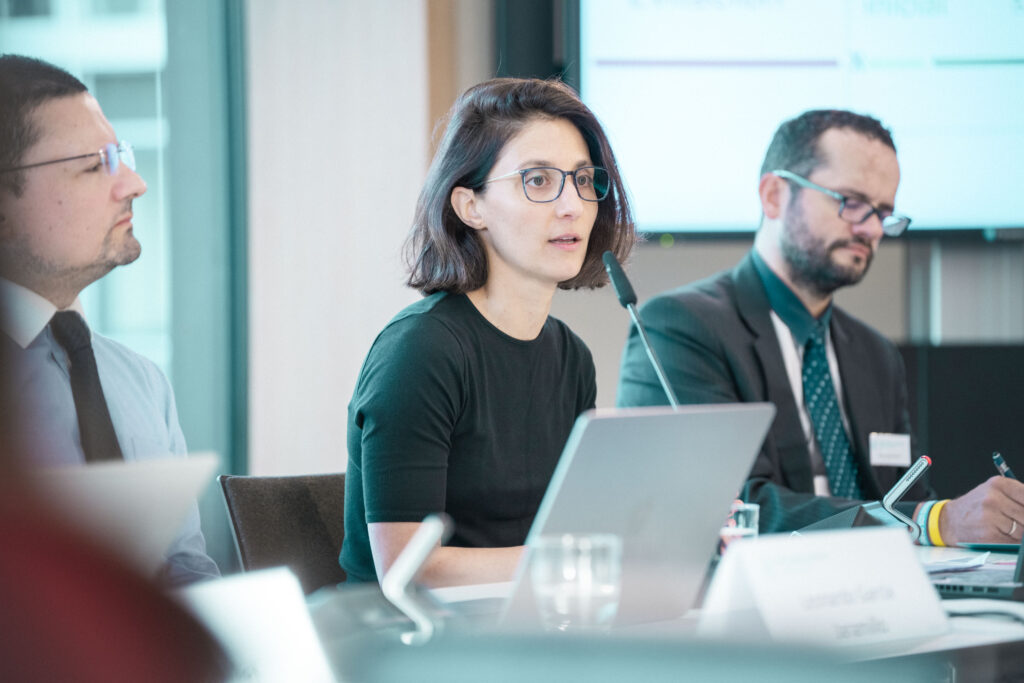
In the afternoon, the discussions brought together national perspectives on transformative constitutionalism. In a first segment, Andrea Castagnola, Isabel Aninat, and Leonardo Garcia Jaramillo examined how Argentina, Chile, and Colombia address democratic tensions, reform processes, and institutional practices that reflect shared concerns across the region.

Comparative perspectives and constitutional challenges
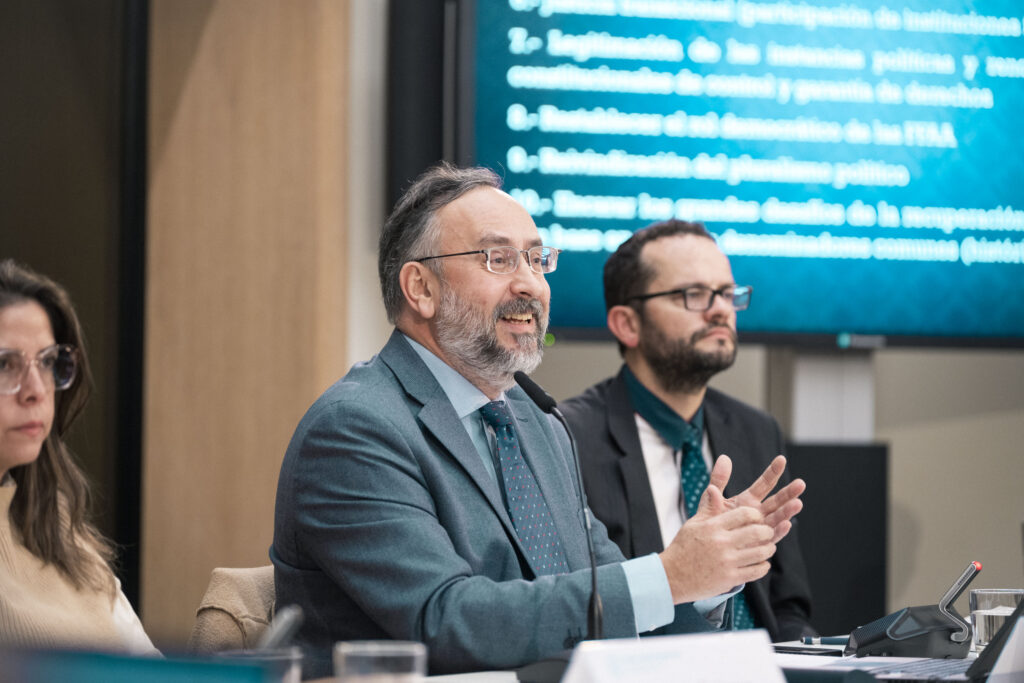
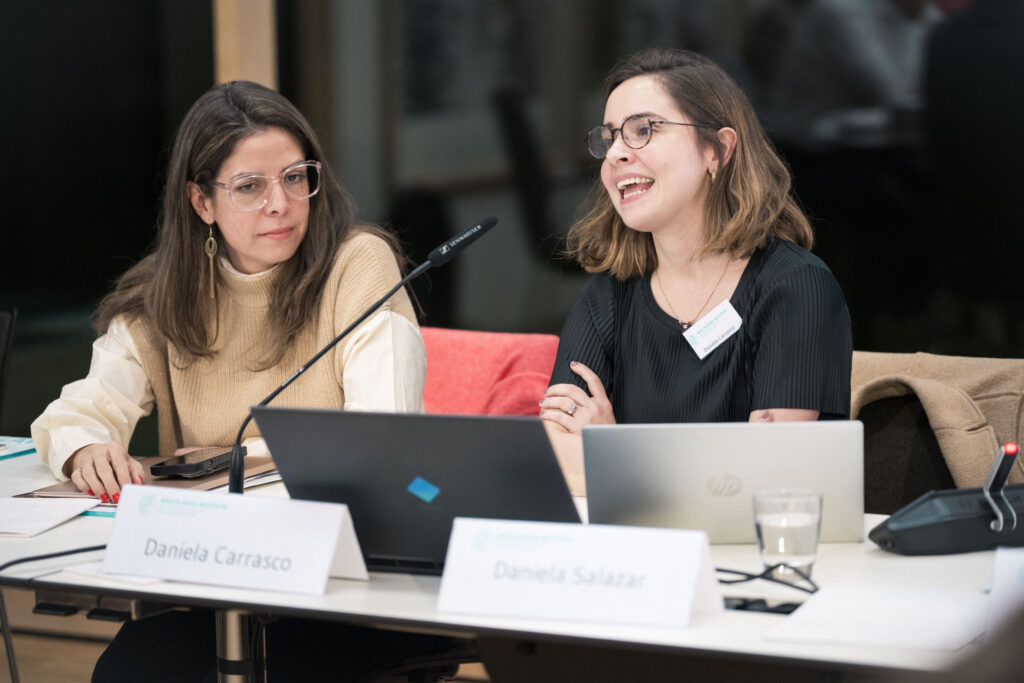
The closing segment of the day expanded this comparative lens through contributions by Daniela Salazar, Daniela Carrasco Berge, and Jesús María Casal. Their interventions made it possible to examine how constitutional law responds to scenarios marked by political and institutional challenges, as well as to broader dynamics of change affecting different countries in Latin America.
The second day concluded with the presentation of three publications from the ICCAL editorial program, devoted to the right to a healthy environment and climate justice, constitutional jurisdiction in Latin America, and the response of the ius constitutionale commune to autocratization, with particular attention to the case of Venezuela. A final reception provided space to continue the conversations initiated during the seminar and to close an event marked by a diversity of voices and perspectives.