18.08.2025
Ibero-American Colloquium No. 328: Migration and Asylum in the Three Regional Human Rights Systems
Researcher Vera Wriedt presented a comparative analysis of how the European, Inter-American, and African human rights systems protect the rights of migrants and asylum seekers, highlighting the role of the right to nationality in each region.
18 August 2025, MPIL Heidelberg
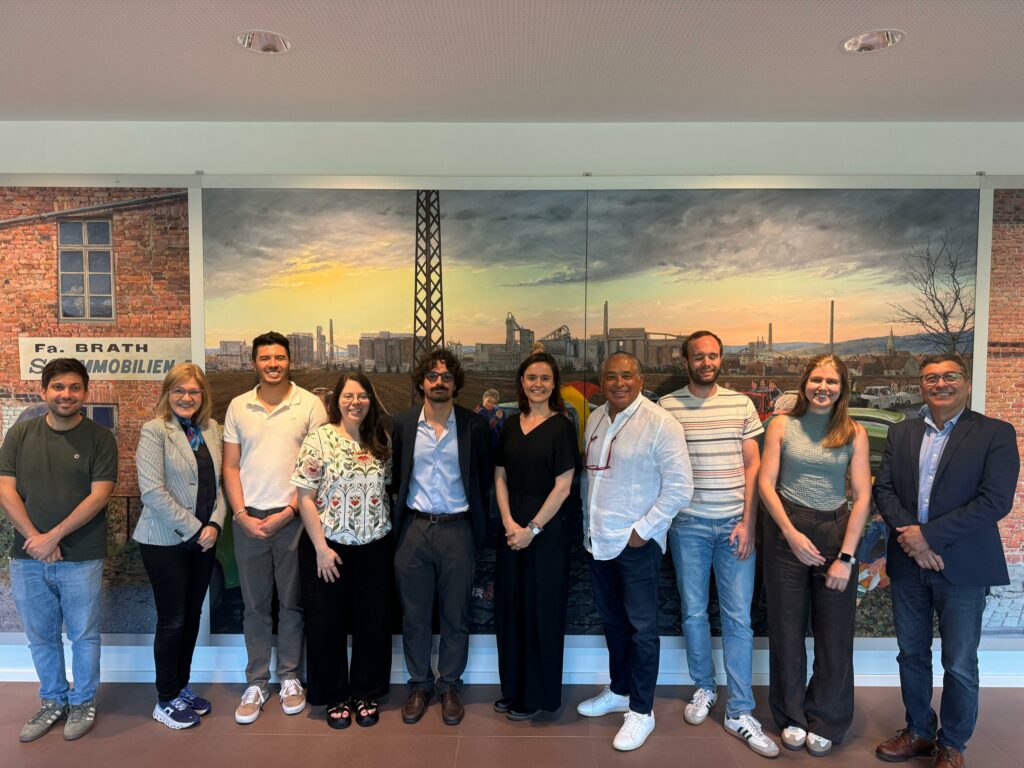
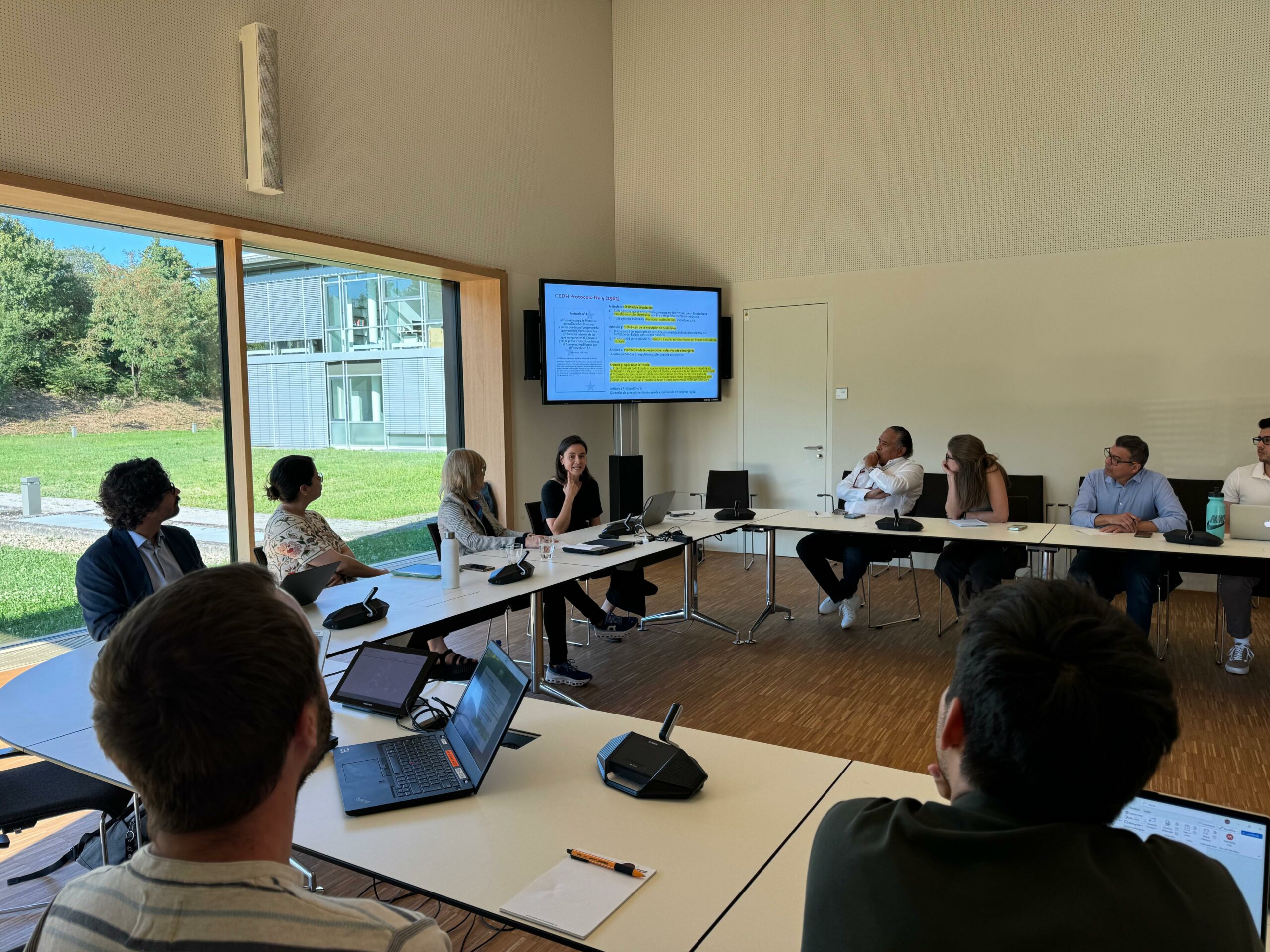
The Max Planck Institute for Comparative Public Law and International Law hosted the Ibero-American Colloquium No. 328, titled “Migration and Asylum in the Three Regional Human Rights Systems.” The lecture was delivered by Vera Wriedt, a scholar of international law, and moderated by Mariela Morales Antoniazzi.
In her presentation, Wriedt offered a comparative overview of how the three main regional human rights systems—European, Inter-American, and African—address human mobility and the right to asylum. She first examined general rights related to migration and then focused on the right to nationality as a key element of international protection.
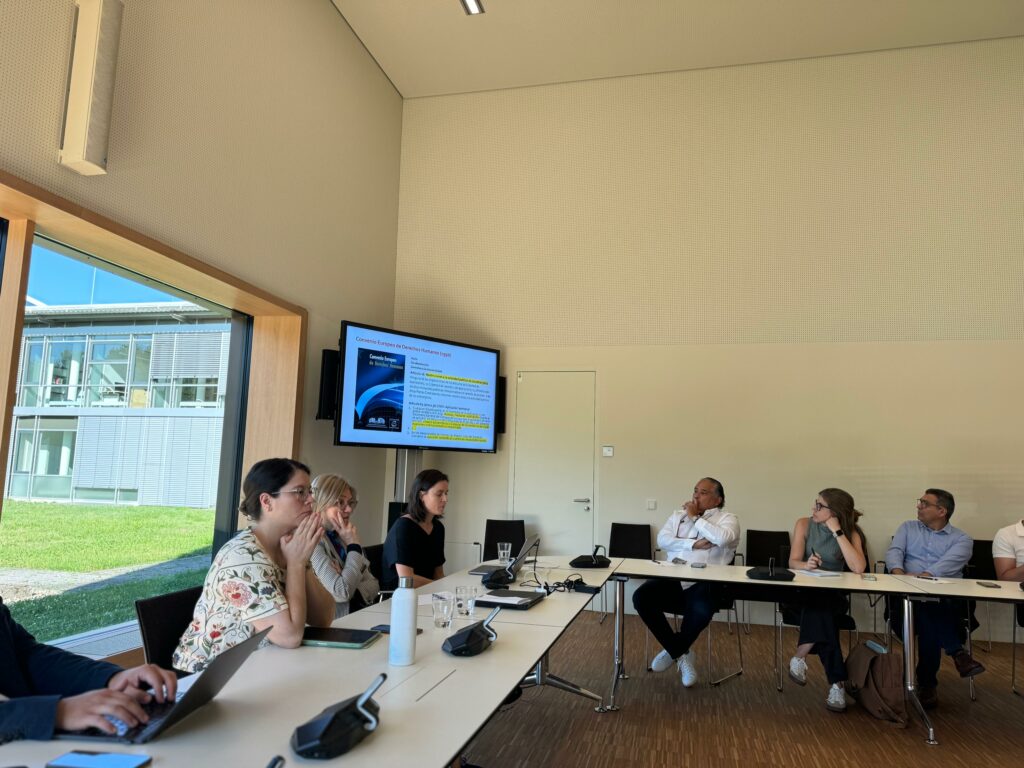
Reviewing the European Convention on Human Rights, the American Convention on Human Rights, and the African Charter on Human and Peoples’ Rights, Wriedt noted that while all three systems share common principles, they differ in how they recognize and apply the right to nationality. The Inter-American system explicitly enshrines this right in Article 20 of its Convention, whereas the European framework lacks an equivalent provision, relying instead on the case law of the European Court of Human Rights. In the African system, the Charter has interpreted nationality as an integral part of other protected rights, reinforcing its collective dimension and its link to cultural identity.
The discussion fostered an exchange of ideas about the challenges faced by different regions in protecting migrants, asylum seekers, and stateless persons. Participants agreed that strengthening dialogue among regional systems is essential to move toward more coherent standards of protection.
The session concluded with a reflection on the importance of understanding human mobility through a rights-based lens. According to Wriedt, ensuring access to nationality and asylum should not be seen as a discretionary act of states, but rather as a legal and moral obligation that reaffirms the inherent dignity of every person.