This project compares the responses of constitutional and electoral courts in emblematic countries of Europe and Latin America to the phenomenon of large-scale electoral disinformation, regarded as an existential threat to democracy. Using a functional and context-sensitive analysis, it examines rulings from Brazil, Mexico, Spain, Italy, Germany, and Romania, mostly issued during electoral periods, to identify patterns and differences in the protection of electoral integrity and political rights.
The study also considers cross-cutting factors such as data protection, content moderation, and the use of artificial intelligence in electoral campaigns, as well as the interaction with supranational courts and bodies. Its aim is to develop proposals for a transregional response regime that addresses regulatory gaps, strengthens public trust, and safeguards democratic debate against the polarization and fragmentation generated by disinformation.
Researchers
Focus
Electoral disinformation
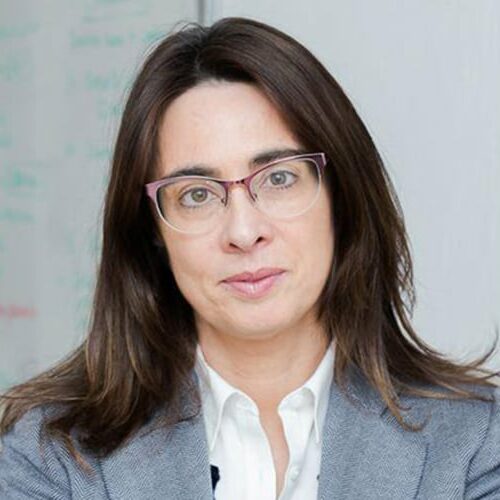
Catalina Botero Marino
Catalina Botero Marino is a lawyer, Chair of the UNESCO Chair on Freedom of Expression at Universidad de Los Andes, and member of Columbia University’s Columbia Global Freedom of Expression. She was Special Rapporteur for Freedom of Expression of the Inter-American Commission on Human Rights/OAS, Dean of the Faculty of Law of the Universidad de Los Andes, co-chair of the Oversight Board of Meta and an Associate Judge of the Constitutional Court in Colombia.
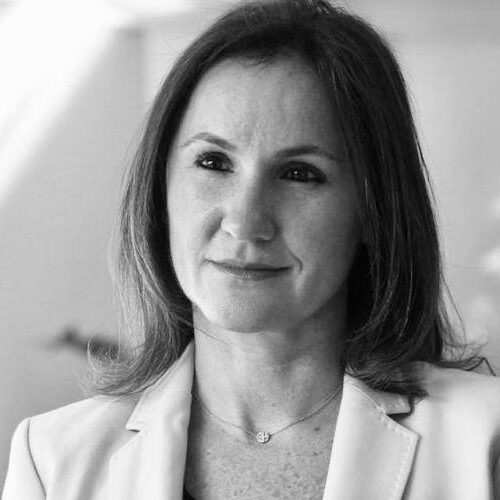
Flavia Piovesan
Flavia Piovesan is a Brazilian lawyer, professor of Constitutional Law and Human Rights at the Pontifícia Universidade Católica de São Paulo, and a member of the UN Human Rights Council Advisory Committee. She served as Special Secretary for Human Rights of Brazil and as Commissioner of the Inter-American Commission on Human Rights/OAS, where she was also Rapporteur on the Rights of Persons LGBTI. She has published extensively on constitutionalism, equality, and social rights in Latin America and participates as co-editor and contributor in international research projects on digital constitutionalism and human rights.
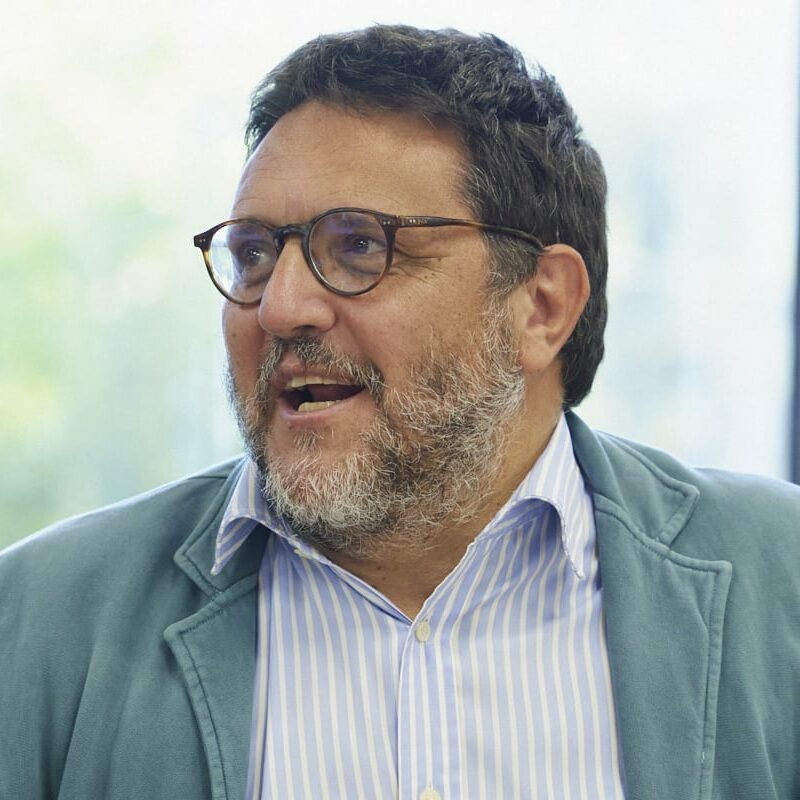
Rafael Rubio
Professor of Constitutional Law at the Complutense University of Madrid (Spain) and Principal Investigator of the research project on Information Disorders and Electoral Guarantees. Researcher at the ICCAL Lab at the Max Planck Institute (25/27) and member of the Advisory Committee of Transparency International (Spain), the Academic Committee of the Global Network for Electoral Justice, and the Technology and Democracy Research Group. He has been Deputy Director of the Center for Political and Constitutional Studies, President of the Transparency and Participation Council of the Community of Madrid, and member of the Venice Commission.
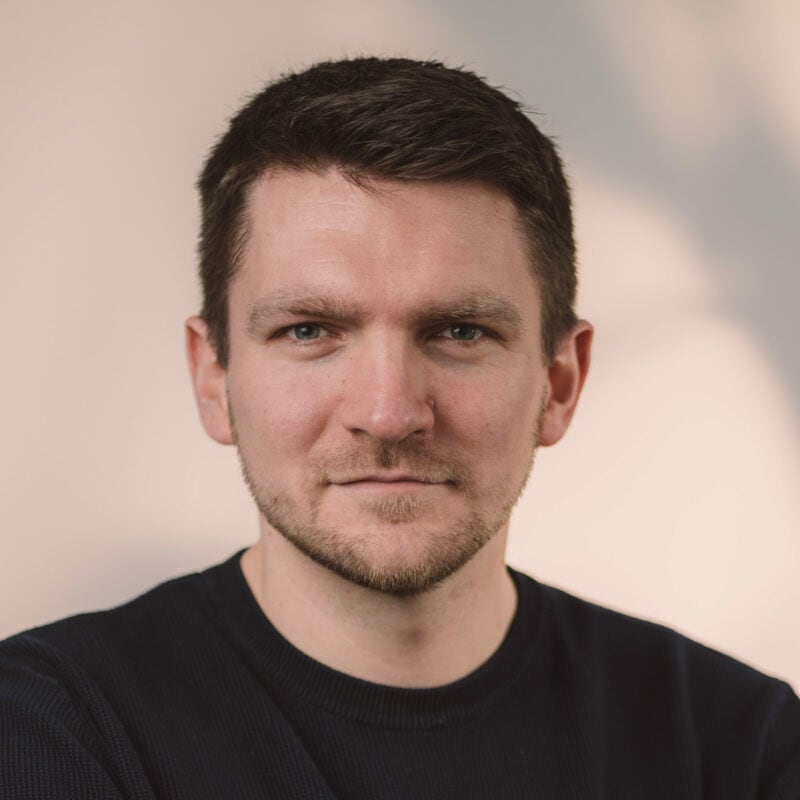
Erik Tuchtfeld
Erik Tuchtfeld heads the interdisciplinary humanet3 research group set up by the Max Planck Institute for Comparative Public Law and International Law, the Max Planck Institute for Innovation and Competition, and the Center for Humans and Machines at the Max Planck Institute for Human Development. He studied law at Heidelberg University, the Universidad de Buenos Aires, and the University of Glasgow. In his PhD, he investigates the structural principles of the European regulation of the digital public space, in particular social media platforms. His main research fields are platform regulation, freedom of expression and the right to privacy in the digital realm. He’s particularly interested in the regulatory method of techno-regulation, that is the regulation of human behavior through the design of technology.
Furthermore, he is co-chair of D64 – Center for Digital Progress, a German NGO working on digital policy, and a member of the television council of the ZDF, Germany’s biggest public broadcaster.
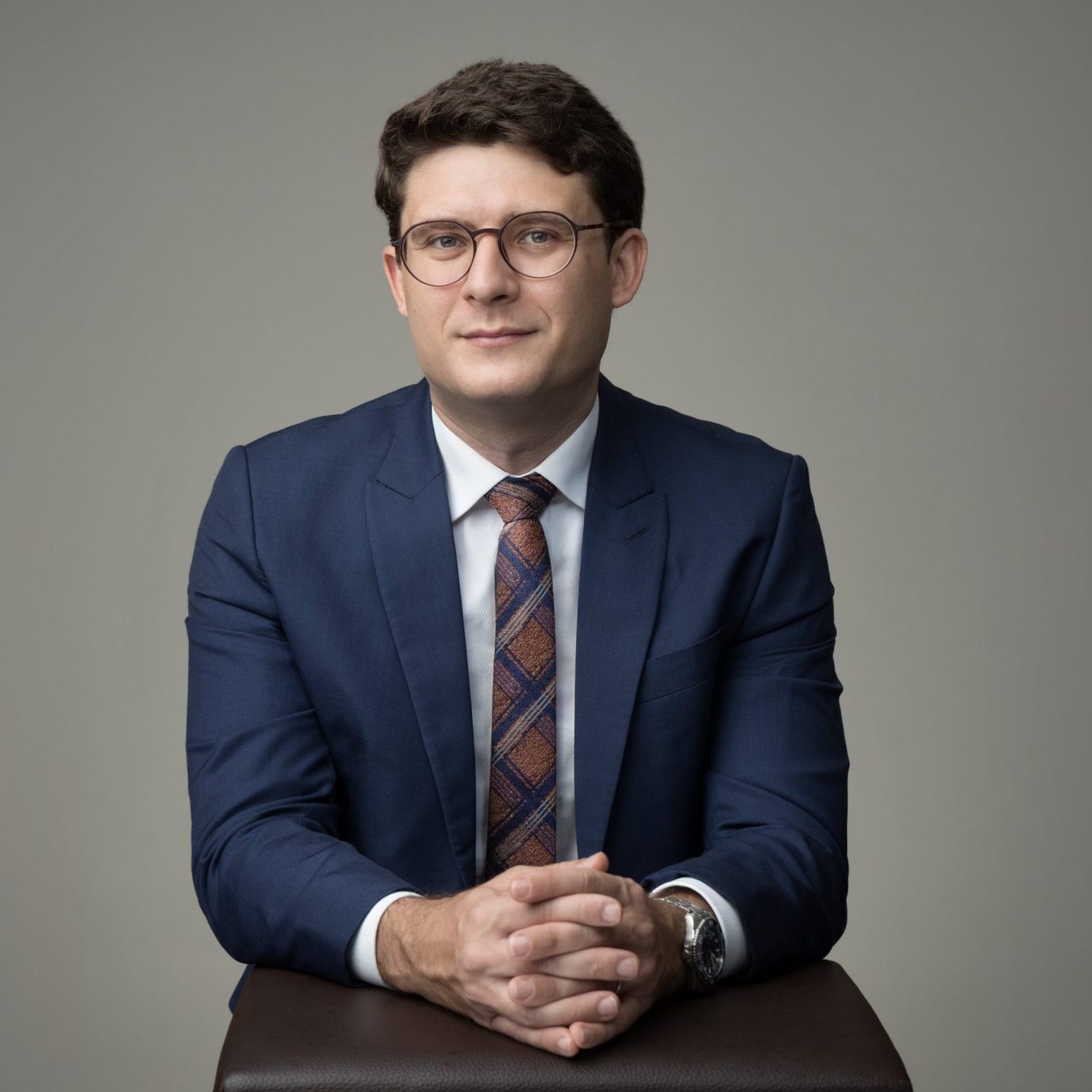
Bruno Stoppa
Ph.D. candidate in Law at the Pontifical Catholic University of São Paulo. Master’s degree in Law from the Pontifical Catholic University of São Paulo (2023). Specialist in Human Rights and Access to Justice from FGV-SP. Teaching assistant in Constitutional Law and Human Rights at PUC-SP. Bachelor of Laws from the Pontifical Catholic University of São Paulo (2011). Public Defender for the State of São Paulo (Brazil).
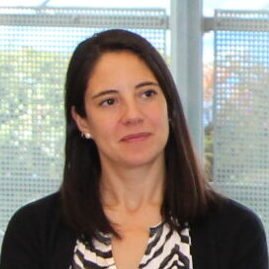
Fernanda Rodríguez
PhD candidate in Law at the Complutense University of Madrid. She earned her Bachelor’s degree in International Relations from El Colegio de México and her Master’s degree in International Public Policy from University College London (United Kingdom). She has served as a research specialist at the Human Development Research Office of the United Nations Development Programme (UNDP) in Mexico.
She was Director of Public Engagement at the National Institute for Transparency, Access to Information, and Personal Data Protection (INAI), where she designed strategies to strengthen cooperation with civil society organizations and international institutions.
She also served as Head of the International Affairs Unit and Director-General for International Institutional Relations at the Electoral Tribunal of the Federal Judiciary of Mexico (TEPJF), where she coordinated several judicial electoral support projects during the 2017–2018 and 2020–2021 federal electoral processes.
She has participated in electoral observation and accompaniment missions in Argentina, Brazil, Colombia, Guatemala, Georgia, and the Dominican Republic; acted as the TEPJF’s liaison officer with the Venice Commission; and coordinated international cooperation projects with other countries and international organizations.
Introductory readings
- Bennett, W. L., & Livingston, S. (2018). The disinformation order: Disruptive communication and the decline of democratic institutions. European Journal of Communication, 33(2), 122–139. https://doi.org/10.1177/0267323118760317
- Berlinski, N., Doyle, M., Guess, A. M., Levy, G., Lyons, B., Montgomery, J. M., Nyhan, B., & Reifler, J. (2023). The effects of unsubstantiated claims of voter fraud on confidence in elections. Journal of Experimental Political Science, 10(1), 34–49. https://doi.org/10.1017/XPS.2021.24
- Botero Marino, Catalina (coord.). Manual para la defensa de la libertad de expresión. Bogotá: Legis, 2023.
- Cátedra UNESCO de Libertad de Expresión (Universidad de los Andes). Portal de recursos sobre libertad de expresión en América Latina. Disponible en: https://libertad-expresion.uniandes.edu.co/
- Dad, N., & Khan, S. (2023). Reconstructing elections in a digital world. South African Journal of International Affairs, 30(3), 473–496. https://doi.org/10.1080/10220461.2023.2265886
- Fung, A., & Lessig, L. (2023). How AI could take over elections—and undermine democracy. Scientific American. https://www.scientificamerican.com/article/how-ai-could-take-over-elections-and-undermine-democracy/
- Nielsen, R. K. (2024). The electoral misinformation nexus: How news consumption, platform use, and trust in news influence belief in electoral misinformation. Public Opinion Quarterly, 88(Suppl.), 681–707.
- Prajapati, A., Kumar, D., & Srivastava, M. (2024). The role of fake news in political campaigns and elections: A global perspective. International Journal for Multidisciplinary Research, 6. https://doi.org/10.36948/ijfmr.2024.v06i06.30907
- Ferrara, E., Cresci, S., & Luceri, L. (2020). Social bots and their impact on elections. Journal of Computational Social Science, 3(2), 271–277. https://doi.org/10.1007/s42001-020-00094-5
- Vaccari, C., & Chadwick, A. (2020). Deepfakes and political manipulation. In A. L. Guerrero & J. M. Chaffee (Eds.), The Oxford handbook of political communication (pp. 1–18). Oxford University Press.
- Kokolu, S., et al. (2024). Beyond the deepfake hype: AI, democracy, and “the Slovak case.” Harvard Kennedy School Misinformation Review. https://misinforeview.hks.harvard.edu/article/beyond-the-deepfake-hype-ai-democracy-and-the-slovak-case/
- European Commission. (2018). Tackling online and electoral disinformation: A European approach. Brussels.
- Cavaliere, P. (2024). Freedom of expression after disinformation: Towards a new paradigm for the right to receive information. Journal of Media Law, 1–10. https://doi.org/10.1080/17577632.2024.2362482
- Shattock, E. (2025). Disinformation and democracy on the docket: Reformulating the approach to electoral disinformation under the ECHR. Oxford Journal of Legal Studies. https://doi.org/10.1093/ojls/gqaf026
- De Gregorio, G., & Pollicino, O. (2025). The European constitutional way to address disinformation in the age of artificial intelligence. German Law Journal, 1–22. https://doi.org/10.1017/glj.2025.24
- Fathaigh, R., Buijs, D., & van Hoboken, J. (2025). The regulation of disinformation under the Digital Services Act. Media and Communication, 13. https://doi.org/10.17645/mac.9615
- Tuchtfeld, E. (2023). Case law on content moderation and freedom of expression. In C. Botero & L. C. Bollinger (Eds.), Columbia Global Freedom of Expression. Columbia University. https://globalfreedomofexpression.columbia.edu/wp-content/uploads/2023/06/GFoE_Content-Moderation.pdf
- Botero Marino, C. (2024). Constitucionalismo digital, poder judicial y moderación de contenidos. In F. Piovesan et al. (Eds.), Constitucionalismo digital e direitos humanos. Thomson-Reuters & Revista dos Tribunais.
Get to know our ICCAL projects
Discover the projects that bring ICCAL to life through research, collaboration, and local initiatives.